
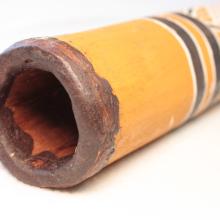
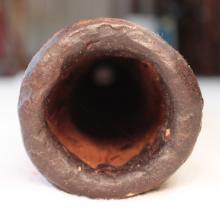
Mago Beswick BS55
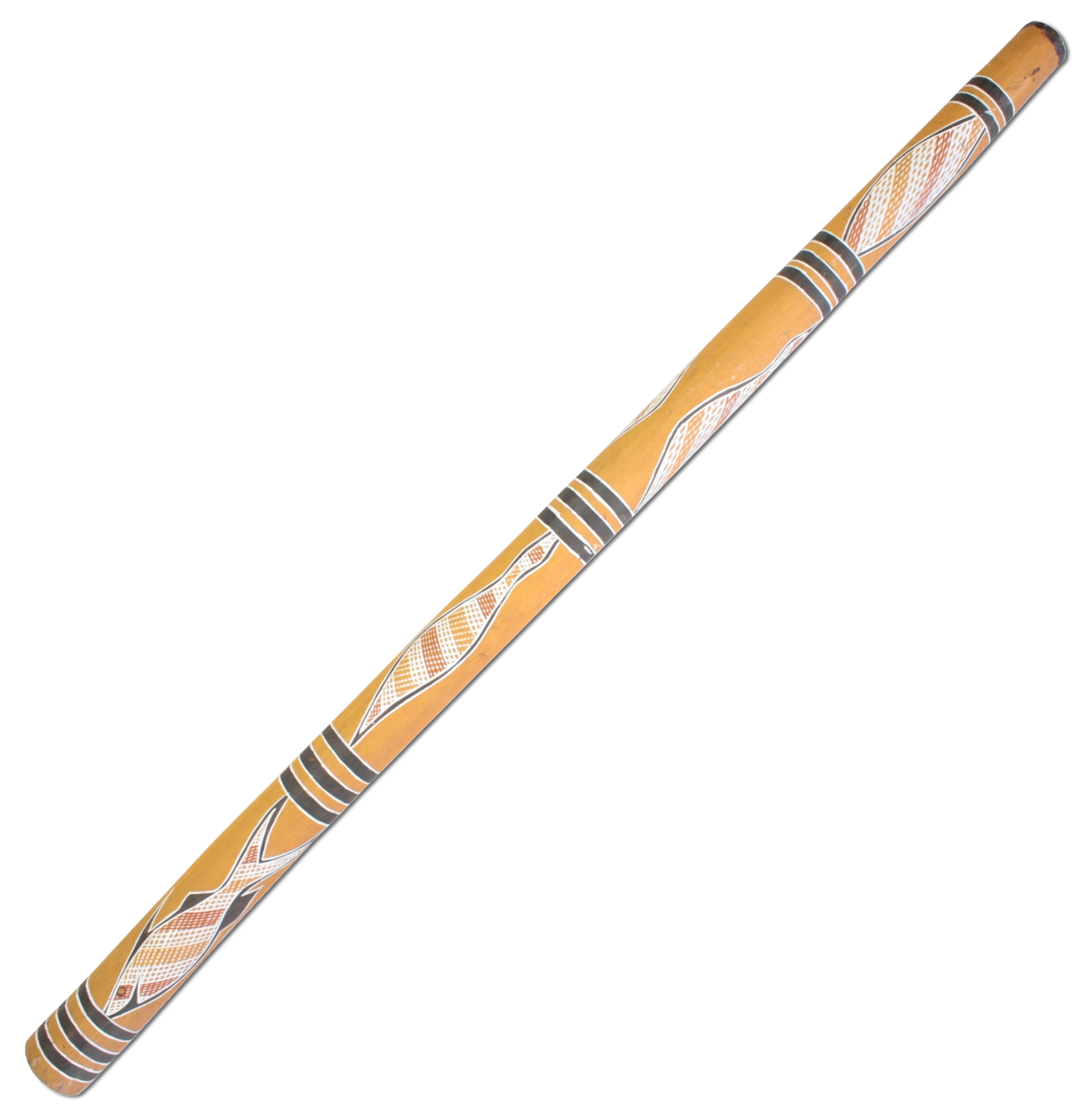
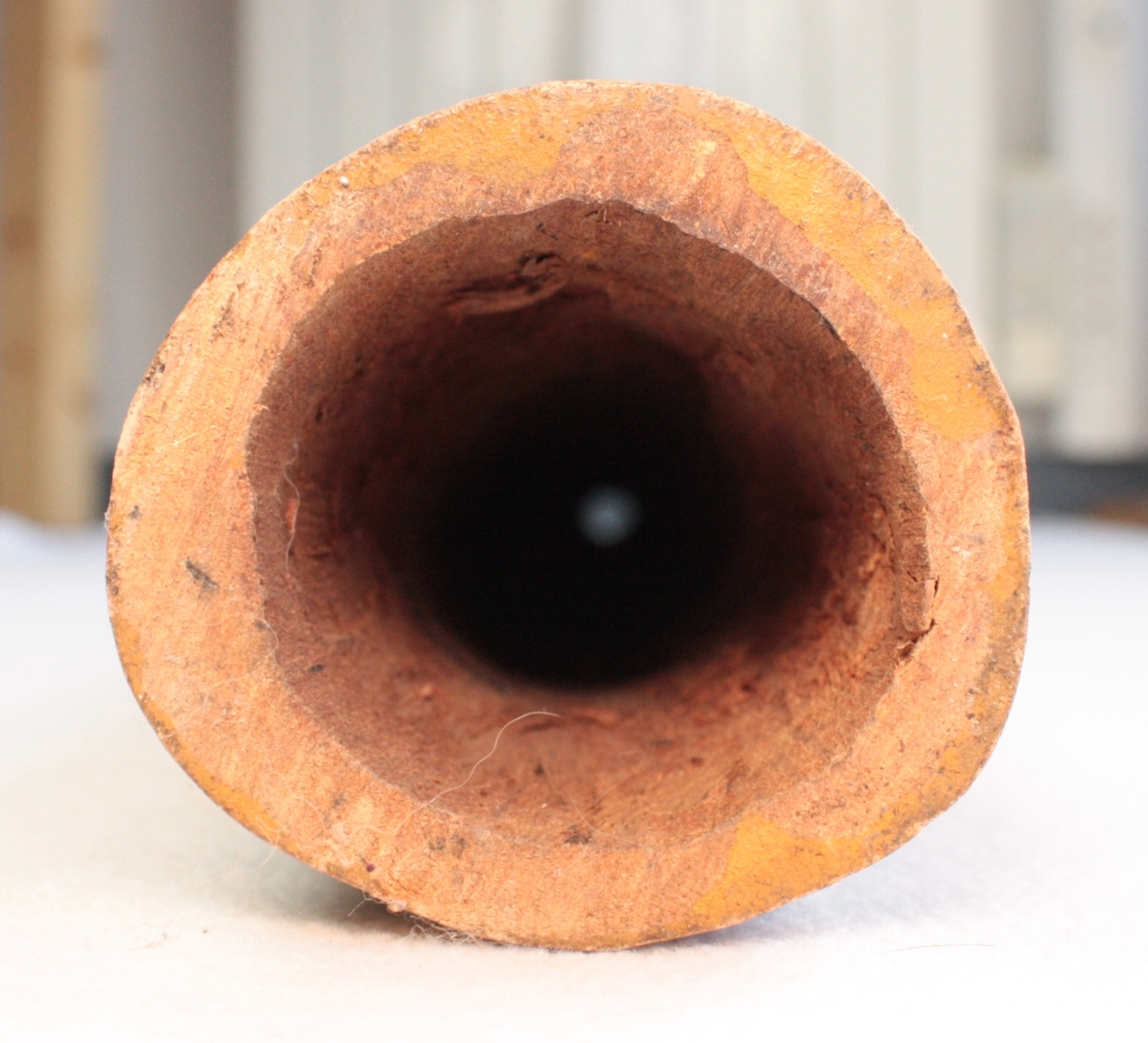
My Comments: Most didgeridoo enthusiasts are familiar with the yidaki and its place in the culture of northeast Arnhem Land. But fewer people have heard of the Mago. The Mago is a variant of the didgeridoo, made and used in the western parts of Arnhem Land. Its length is designed to accompany singing in one of two styles: the bunggurl style of the East or the kunborrk tradition of the West. What's magical about this type of instrument is that it's also possible to play in styles other than just the traditional ones. This is due to the excellent air column design. It gives the instrument a full, rich, and harmonically resonant sound, while still retaining an organic and "raw" timbre. Please note that these instruments are not varnished, either inside or out. Some may have a few small cracks in the bell, but they are all playable. Keep in mind that these are "Vintage" instruments!! It's a real privilege to be able to acquire such instruments these days!
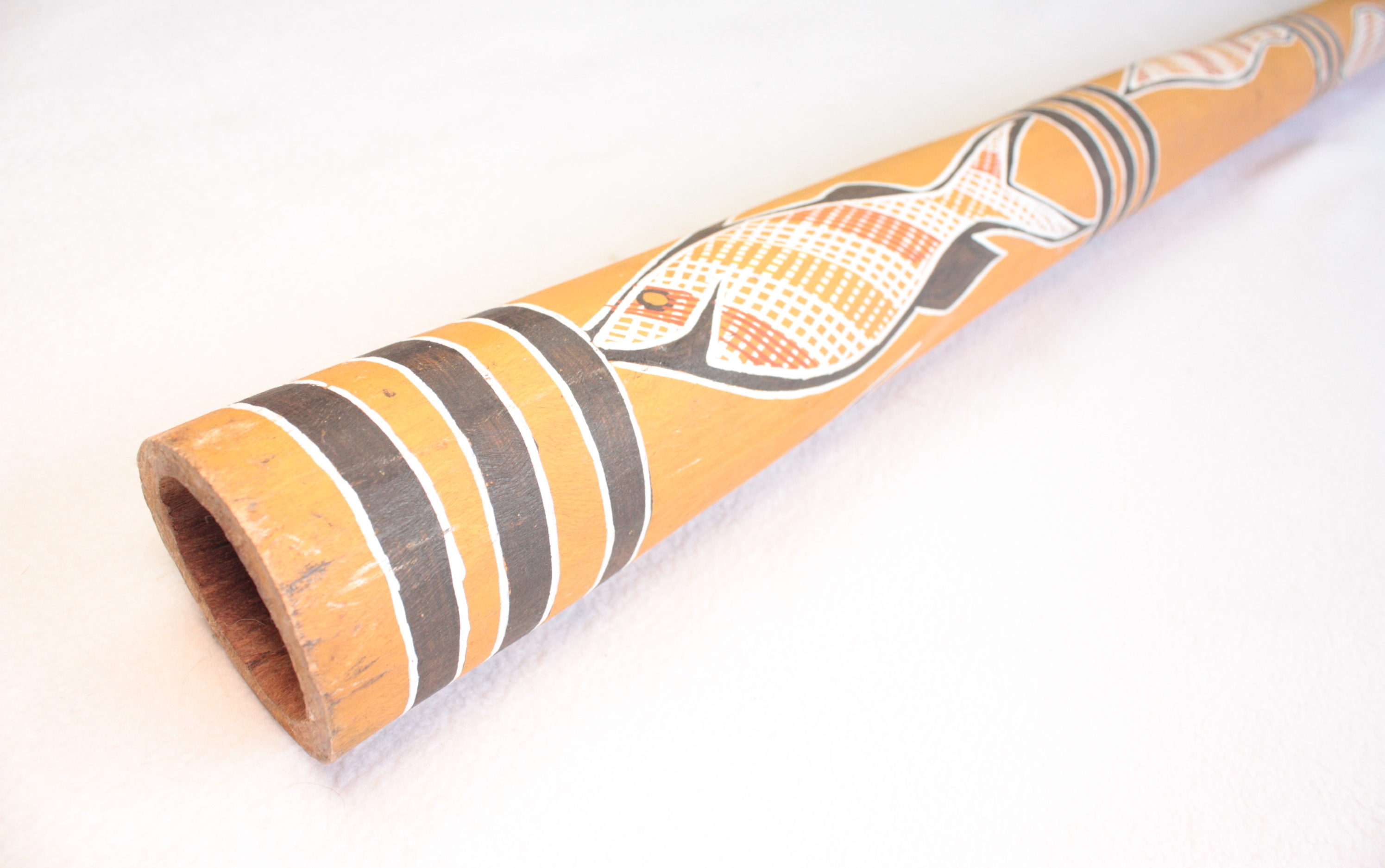
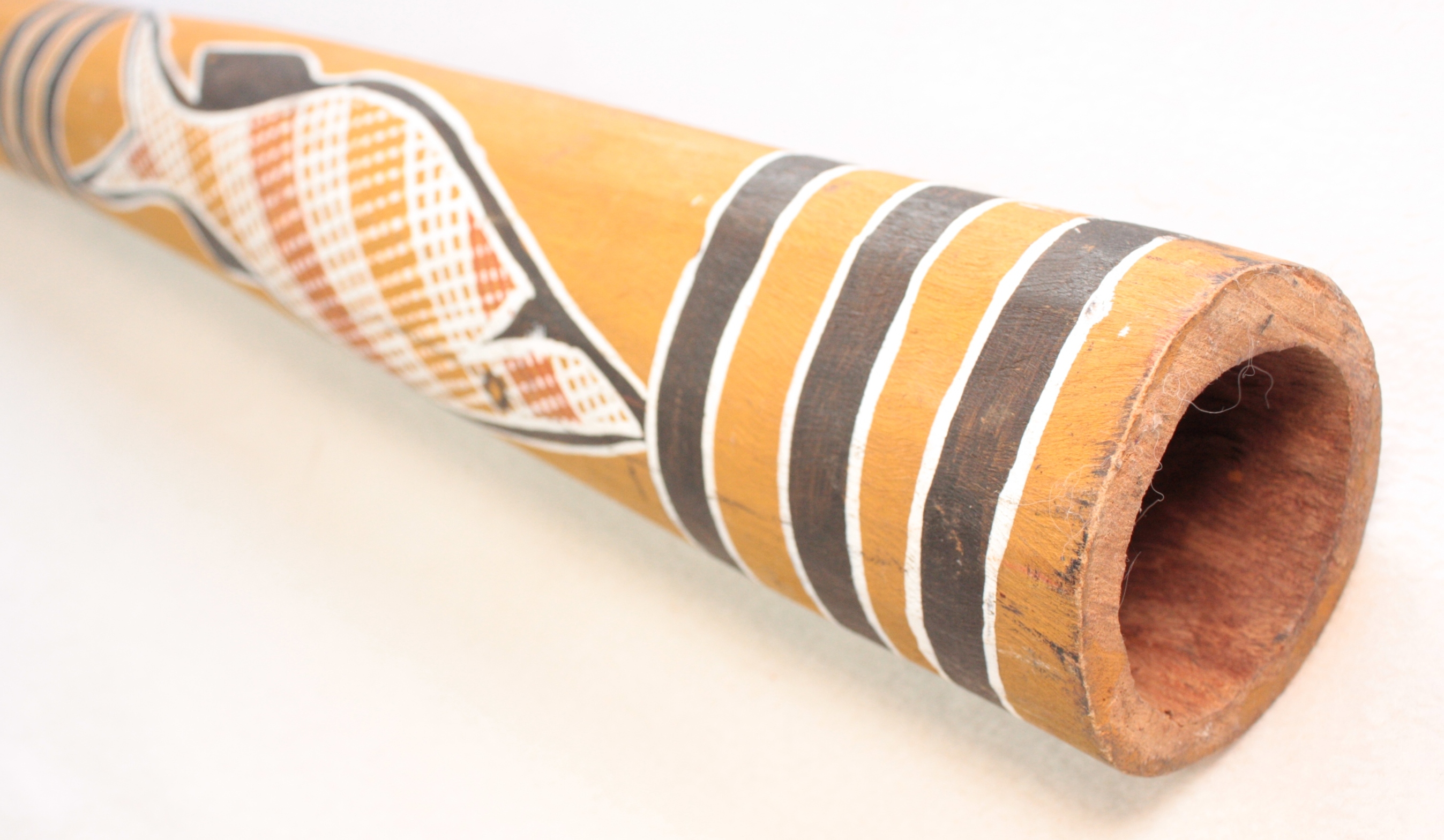
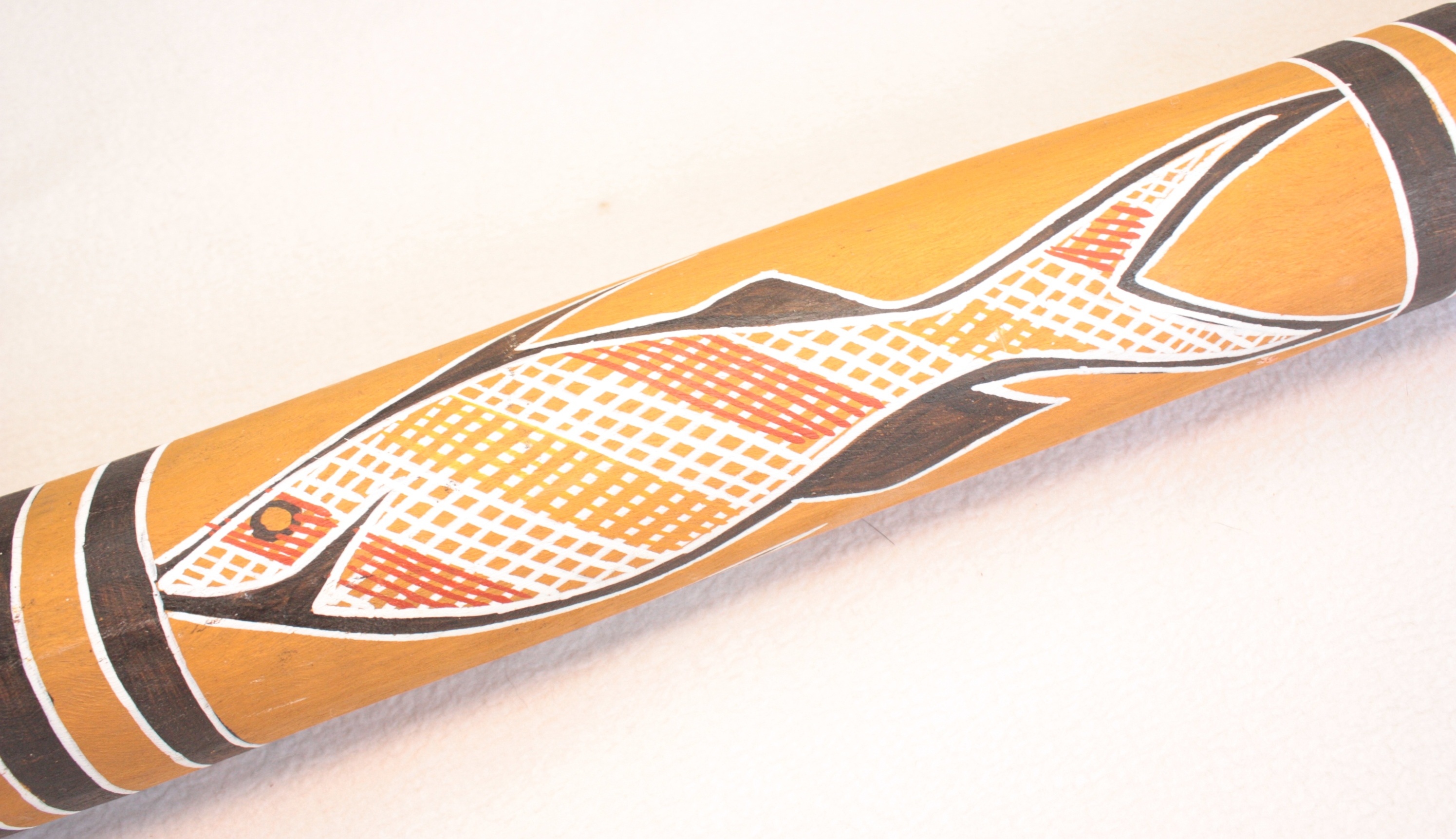
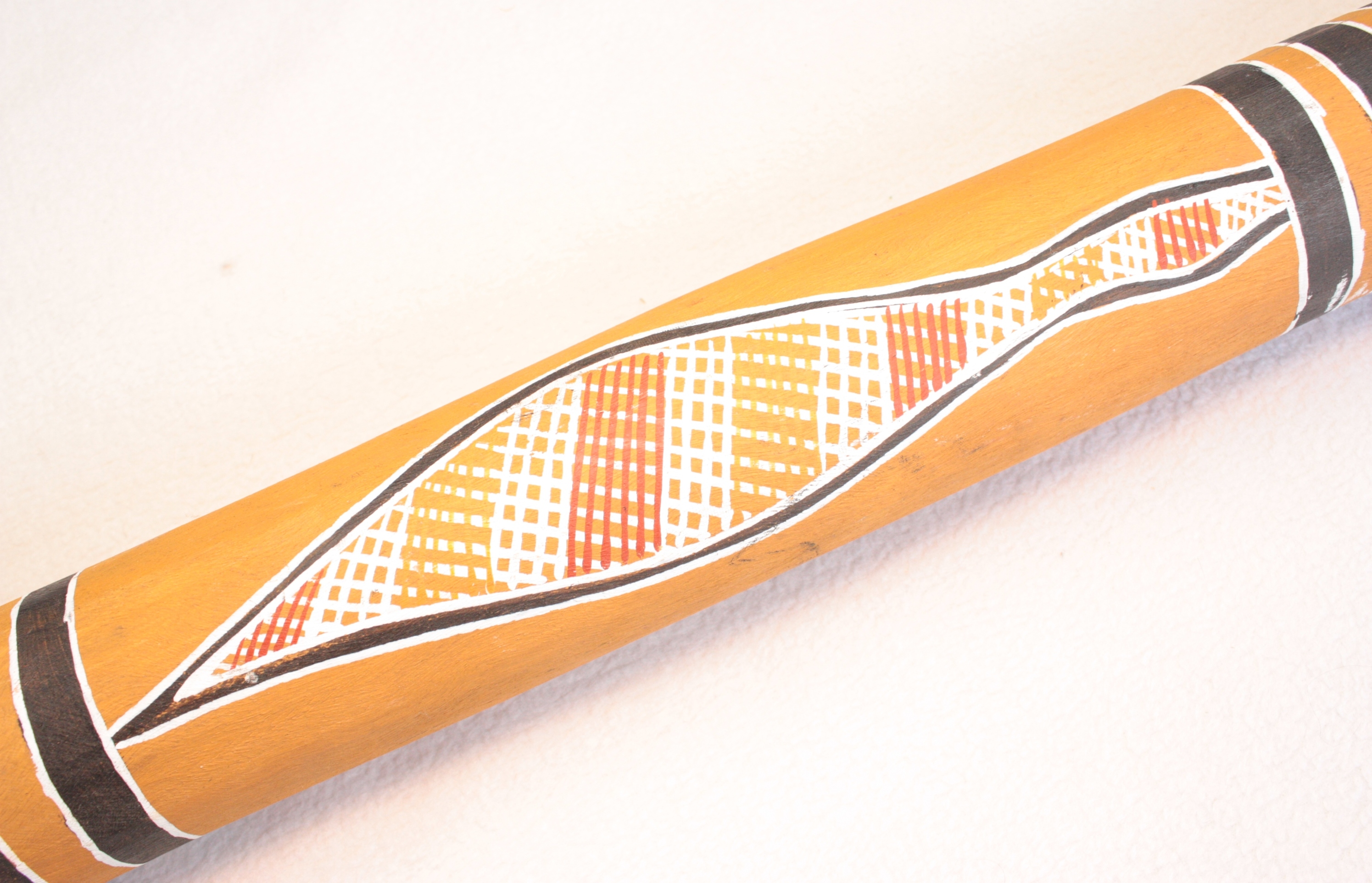
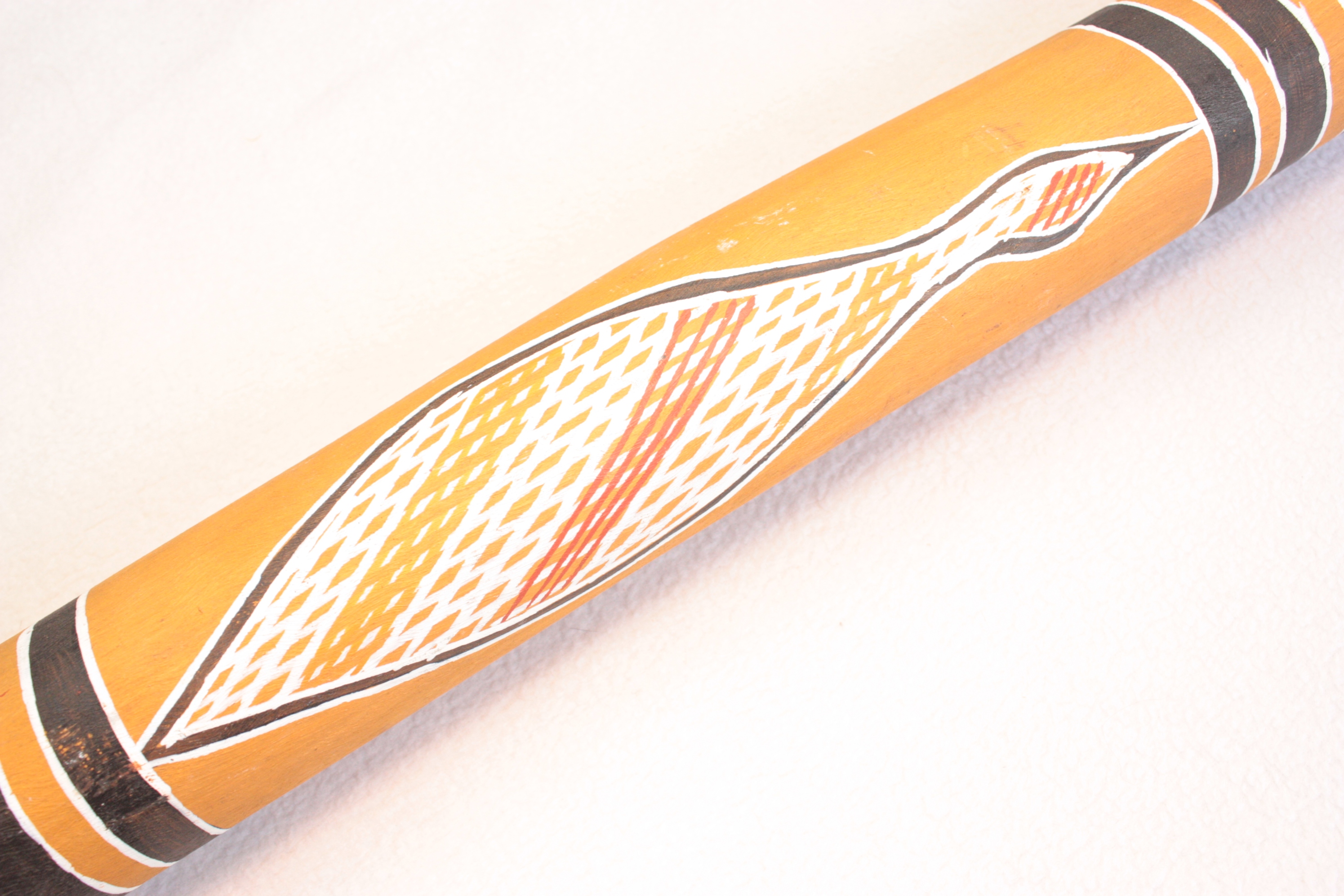
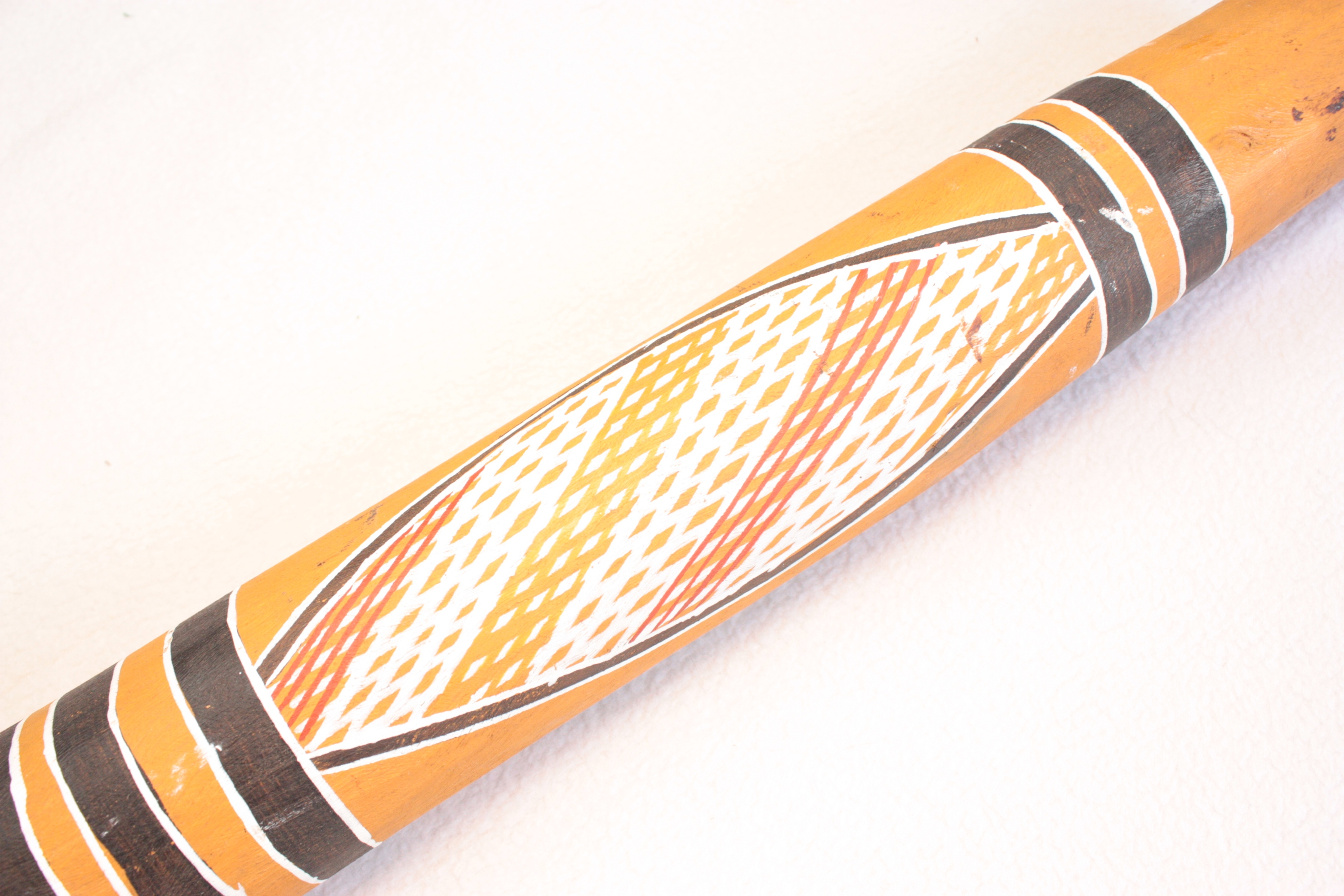
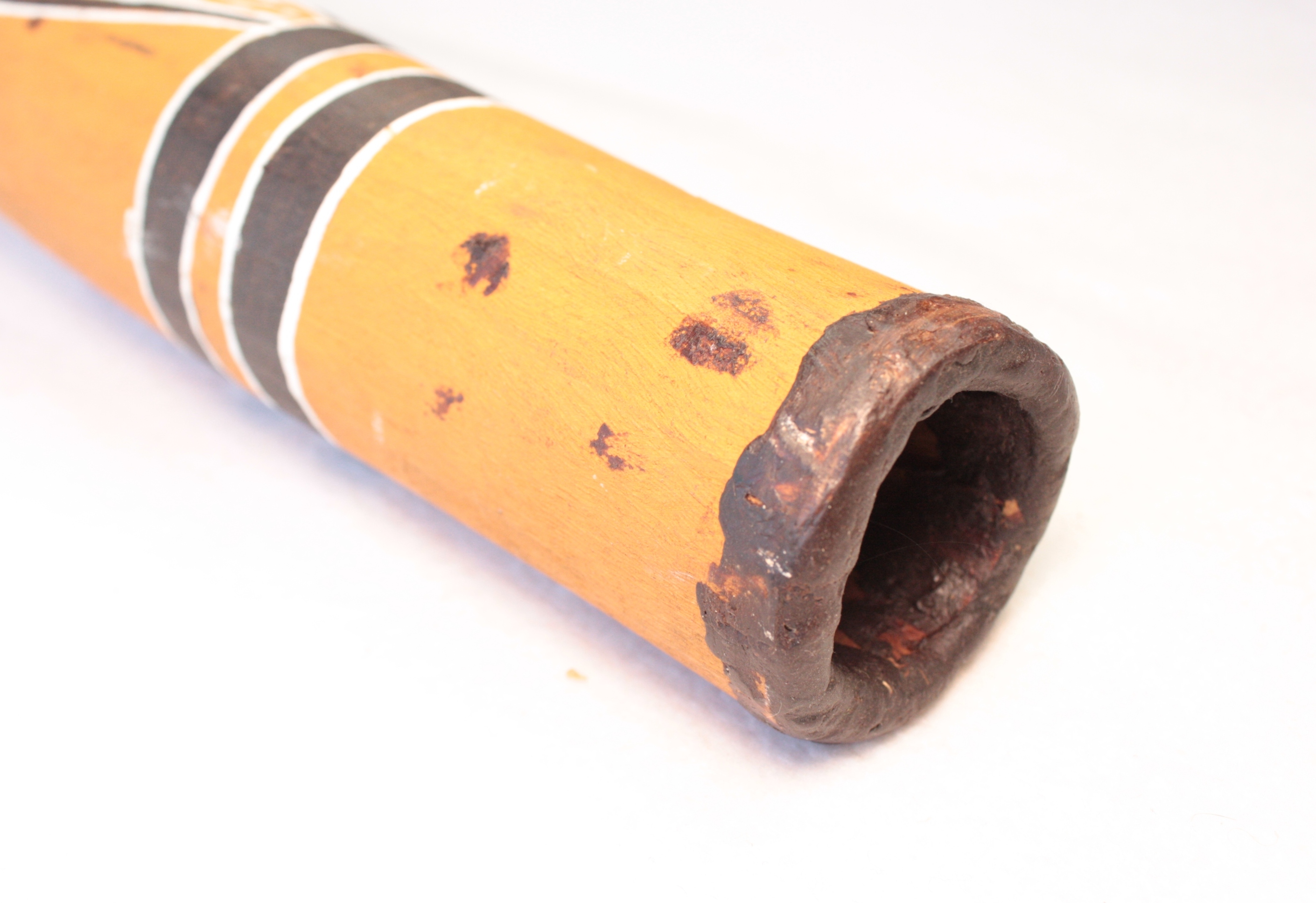
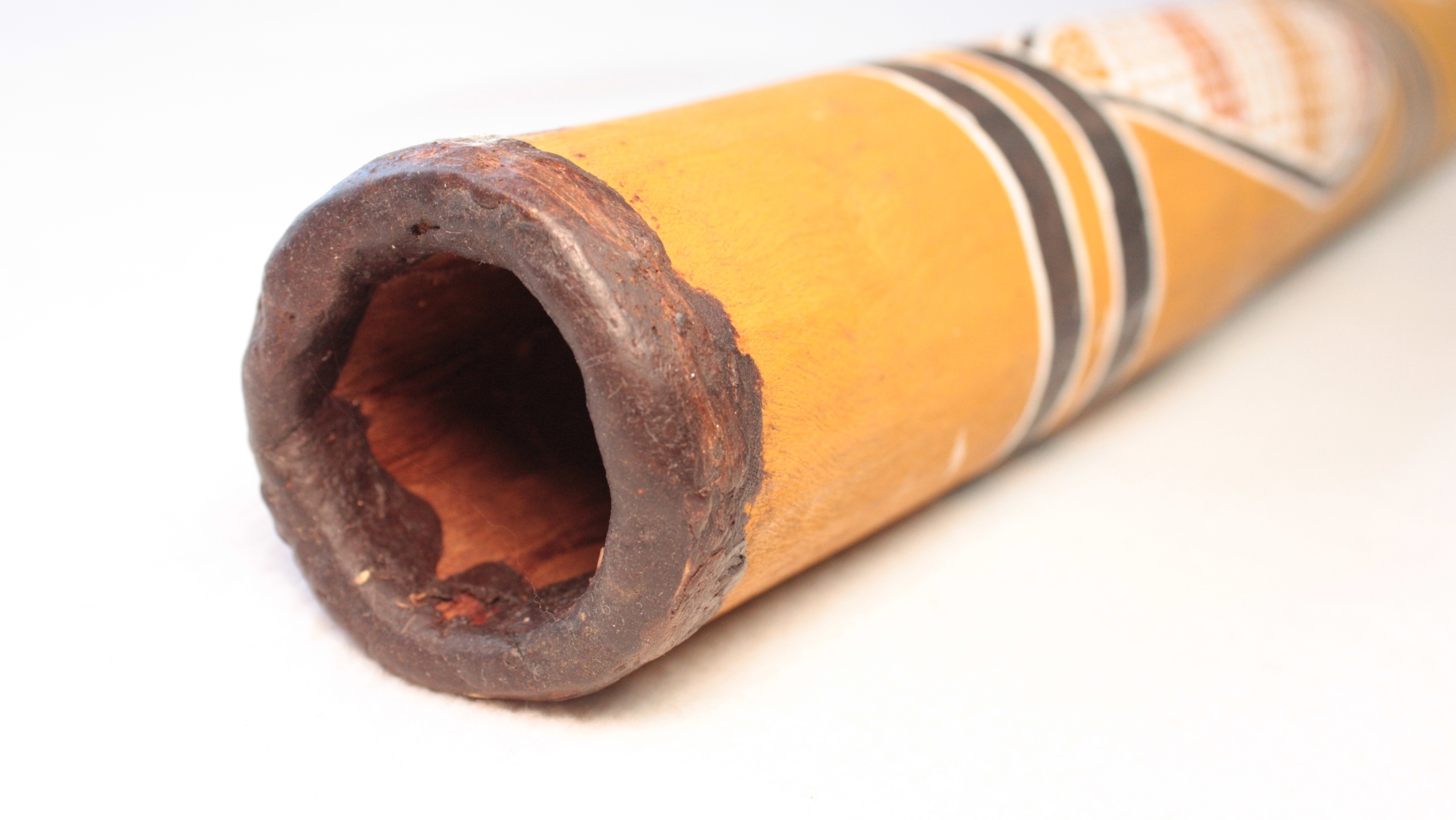
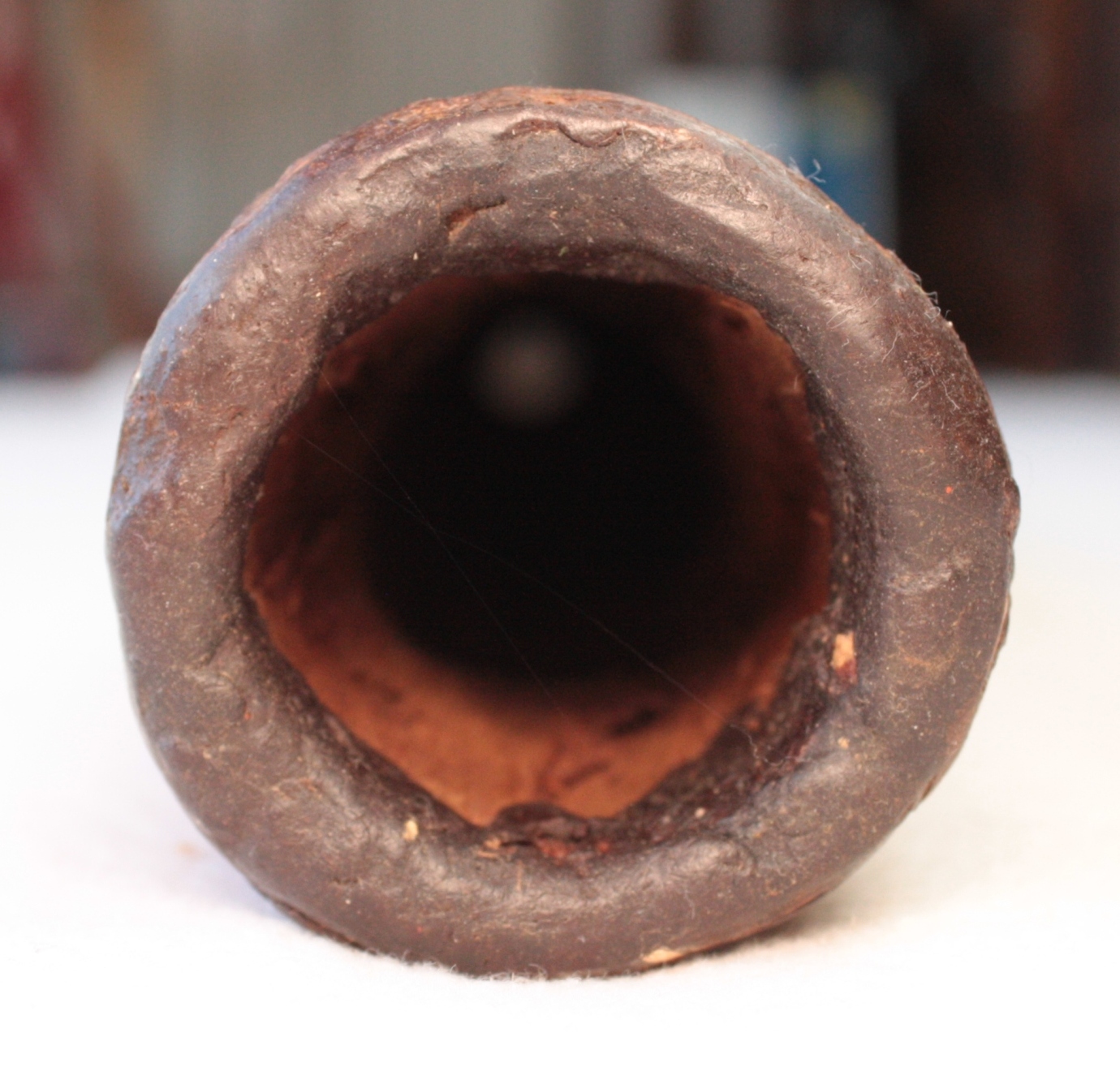
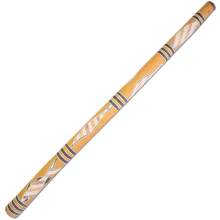
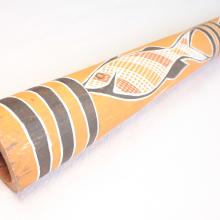
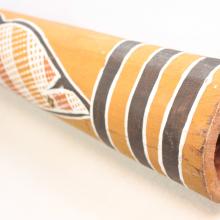
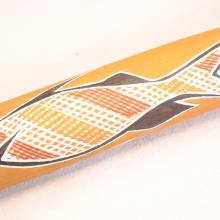
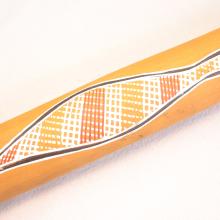
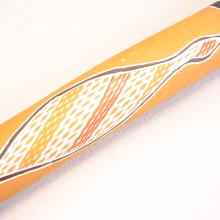
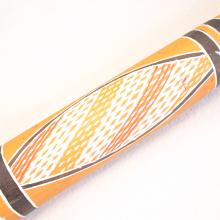
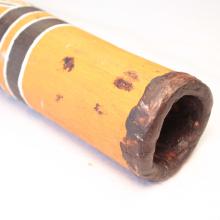
Following my merger with AborignalArts Uk, I was able to recover the entire collection of Bear the owner of AborignalArts. Here is a mago from the community of Beswick dating from 2009. Perfect condition, very beautiful paint, blackwax sugarbag mouthpiece.
- Shipping costs are free! (only for France)
- The carrying case is free!
Classification
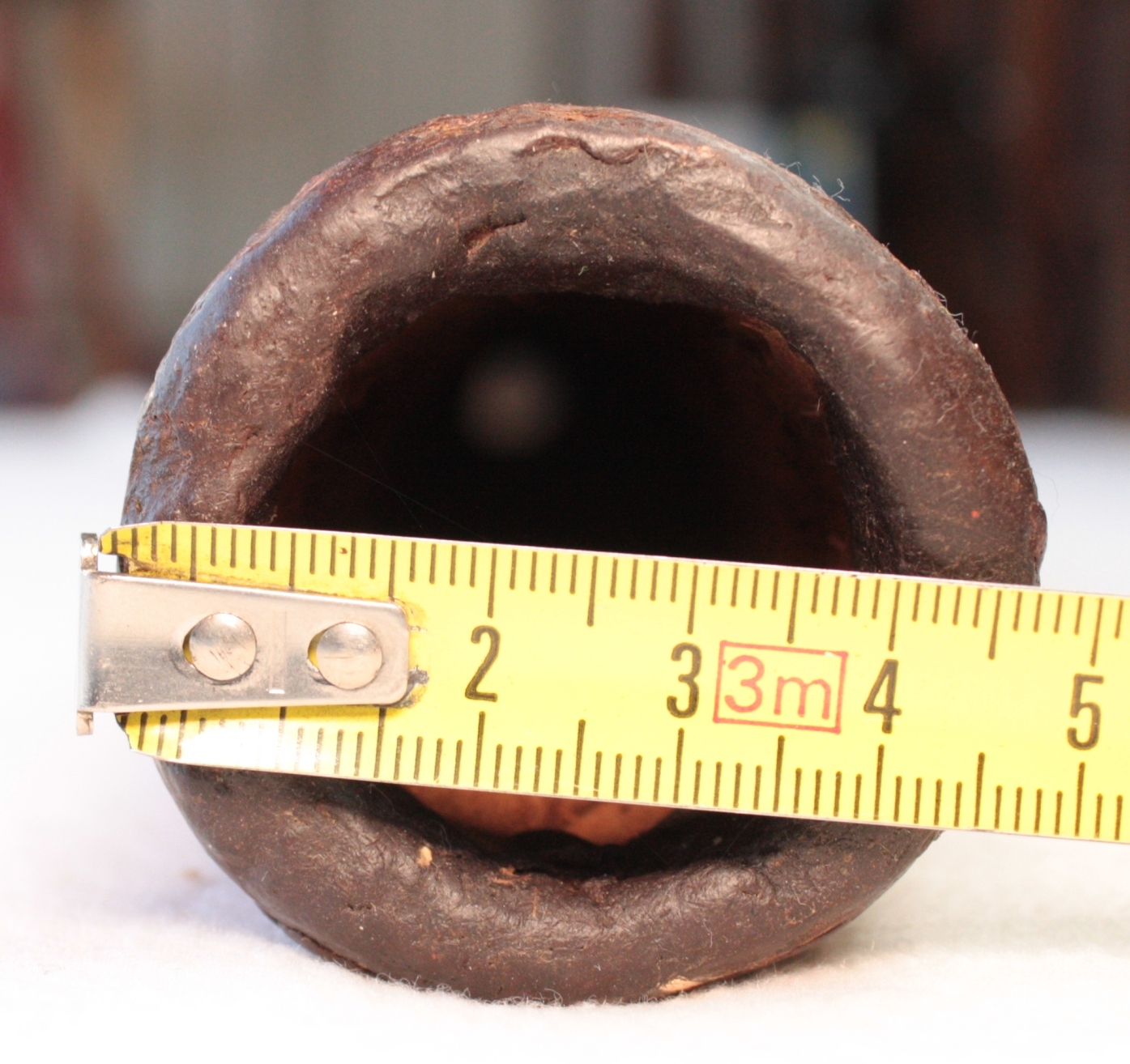
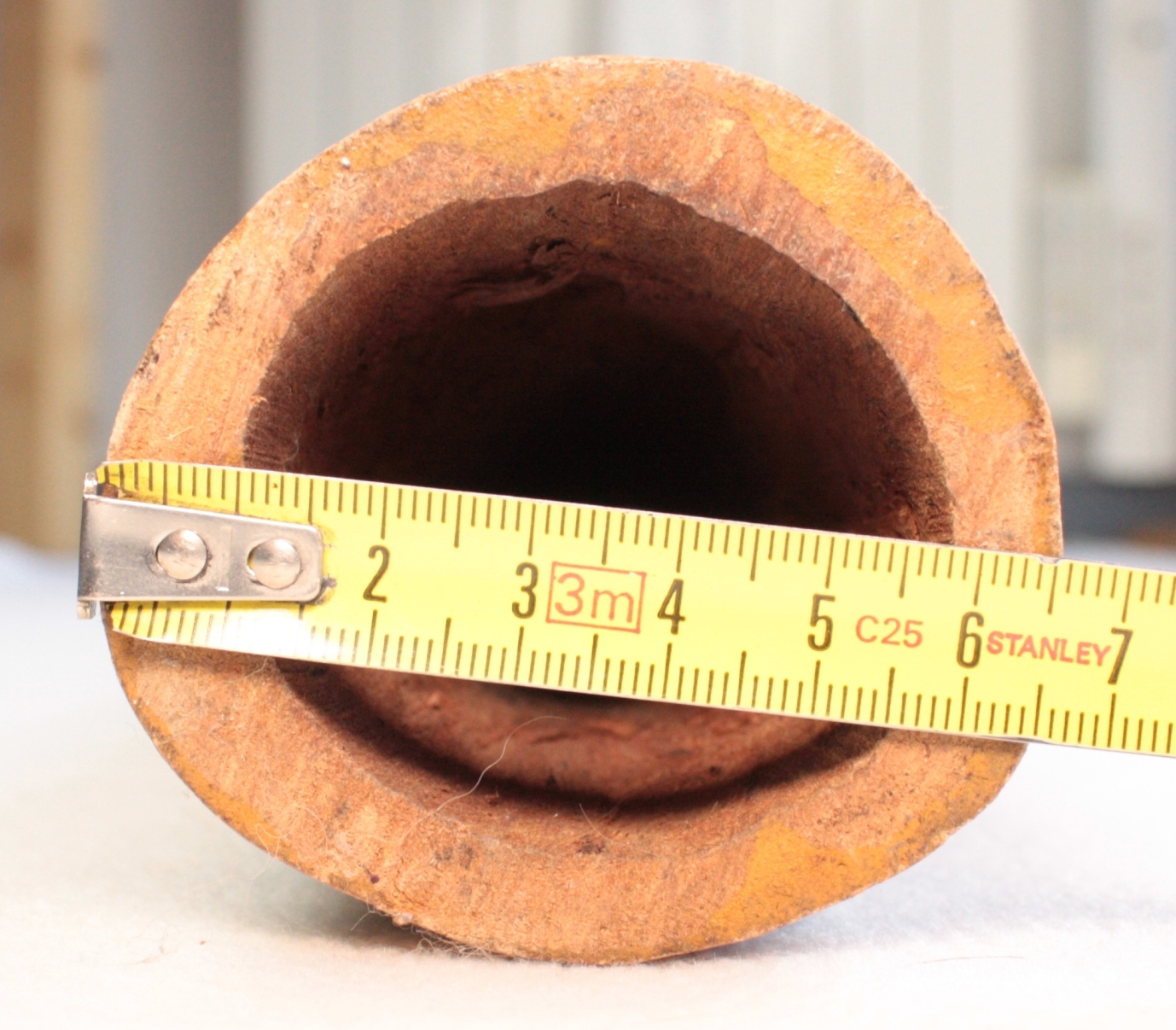
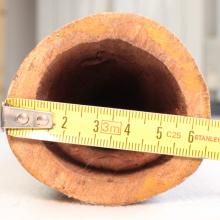
This scale is the result of an air column/bell start ratio If we divide the diameter of the bell with that of the beginning of the air column we get a number between 1.5 and 3.5. We can classify all the didgeridoos in 4 large families. Each family groups the instruments with a similar character, simply based on the overall shape of the air column (conical/cylindrical) and on the diameter of the column (wide/narrow). The result is a simple and very reliable reading grid, making it easier to search and purchase on line.
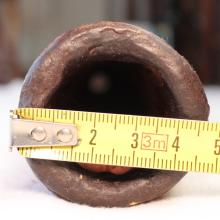
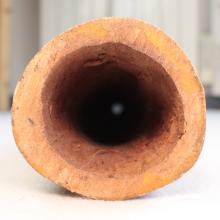
The diameters are measured with a caliper, start of the air column after the mouthpîece. This ratio is very reliable for a didg having a air column with a 'smooth' internal work, in the case of a hollowed eucalyptus instrument it give an approach of the instrumental character.
Mago
The Mago is another kind of "traditional" didgeridoo, made of eucalyptus and termite.
The Mago, but what is it?
The mago is a type of traditional didgeridoo from western Arnhem Land. The word is used by members of various language groups whose territory extends from the Gunbalanya (Oenpelli) community in the west, to the River Blythe east of Maningrida and south towards Katherine.
The word mago has become a generic name commonly used for instruments played in the region. Moreover, the use of the word extends beyond the western region of Arnhem Land, as many didgeridoo enthusiasts use the term to refer to traditional didgeridoos made outside of northeastern Arnhem Land—that is, all didgeridoos made in the Top End that are not yidaki.
The name mago is commonly used to identify traditional instruments with shorter, cylindrical shapes.
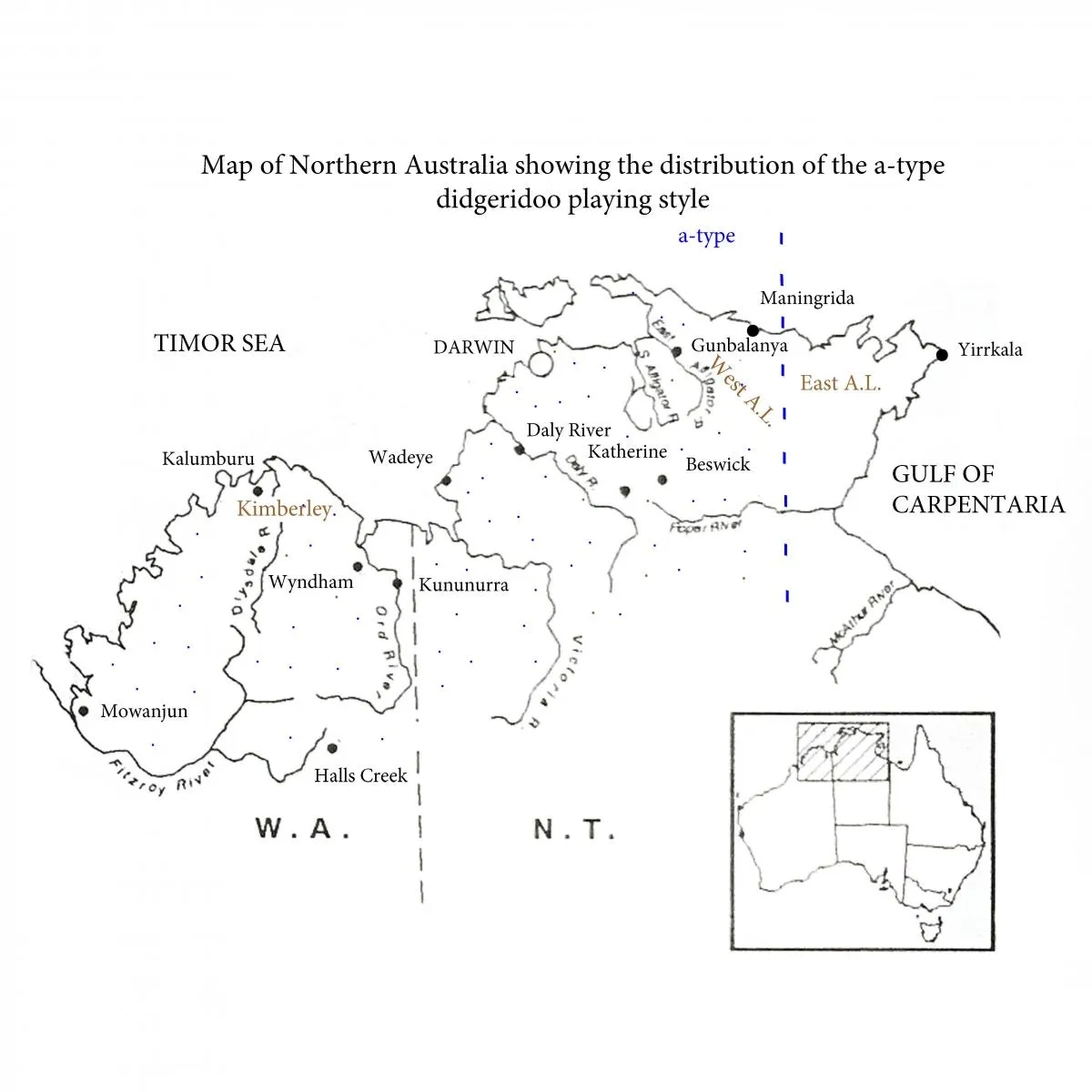
The characteristics of this style are the drone, devoid of any "toot" or trumpet-like sound, and the melodic harmonic generated by the human voice playing over the drone. Furthermore, mago-type didgeridoos tend to have an open internal column which, combined with the use of the player's vocal cords, lends a melodic character to their sound.
Like other types of traditional instruments, the mago is used as rhythmic accompaniment for traditional songs.
Maintenance: As with yidakis, the mago requires regular, preventative maintenance to last a lifetime! To avoid cracks and allow the wood time to recover its proper moisture content, we recommend referring to the advice and accessories pages.