
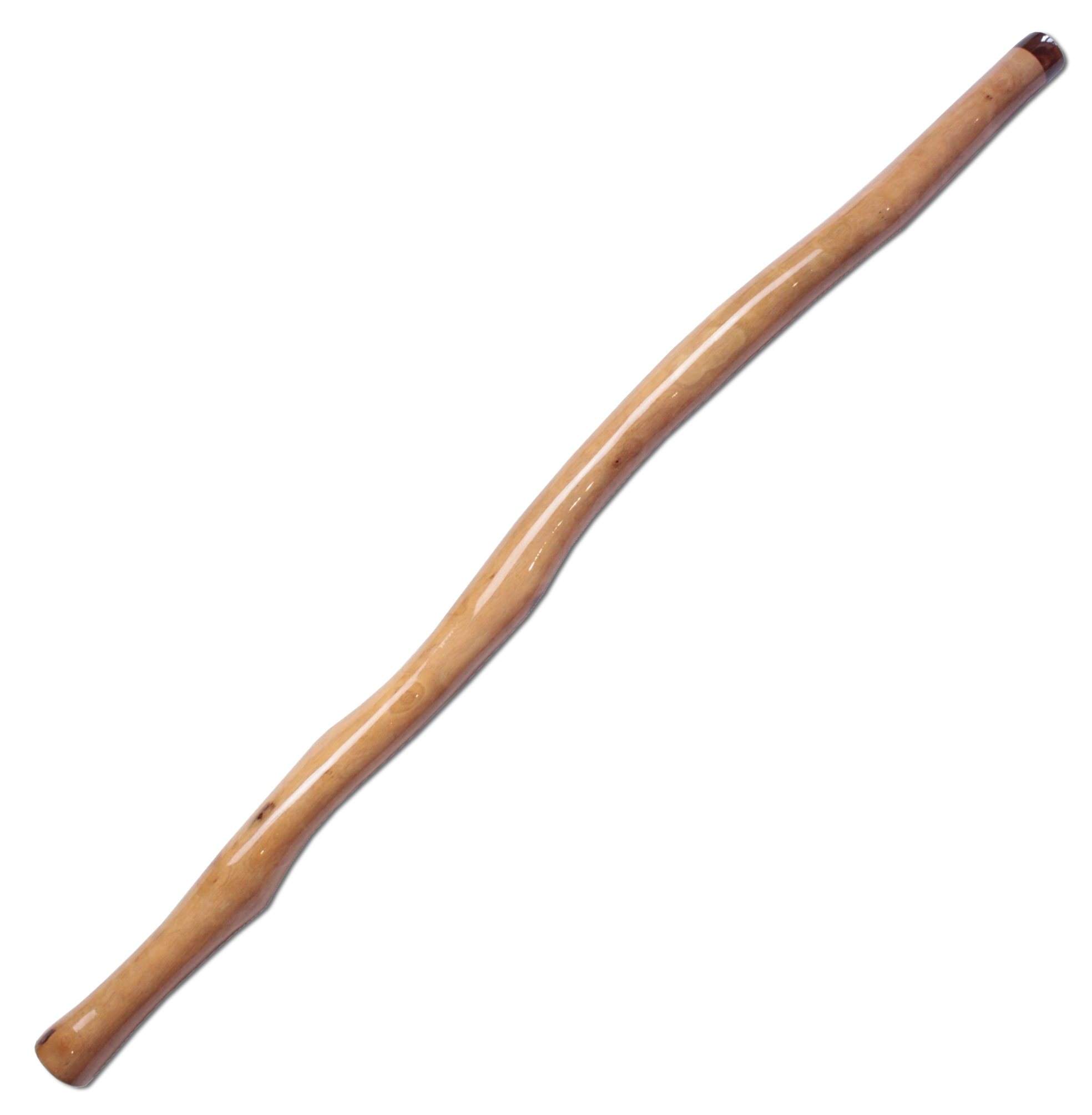
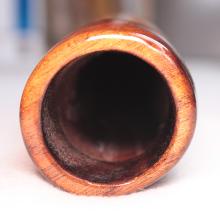
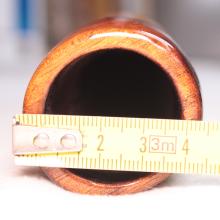
Budget O'Meara 100
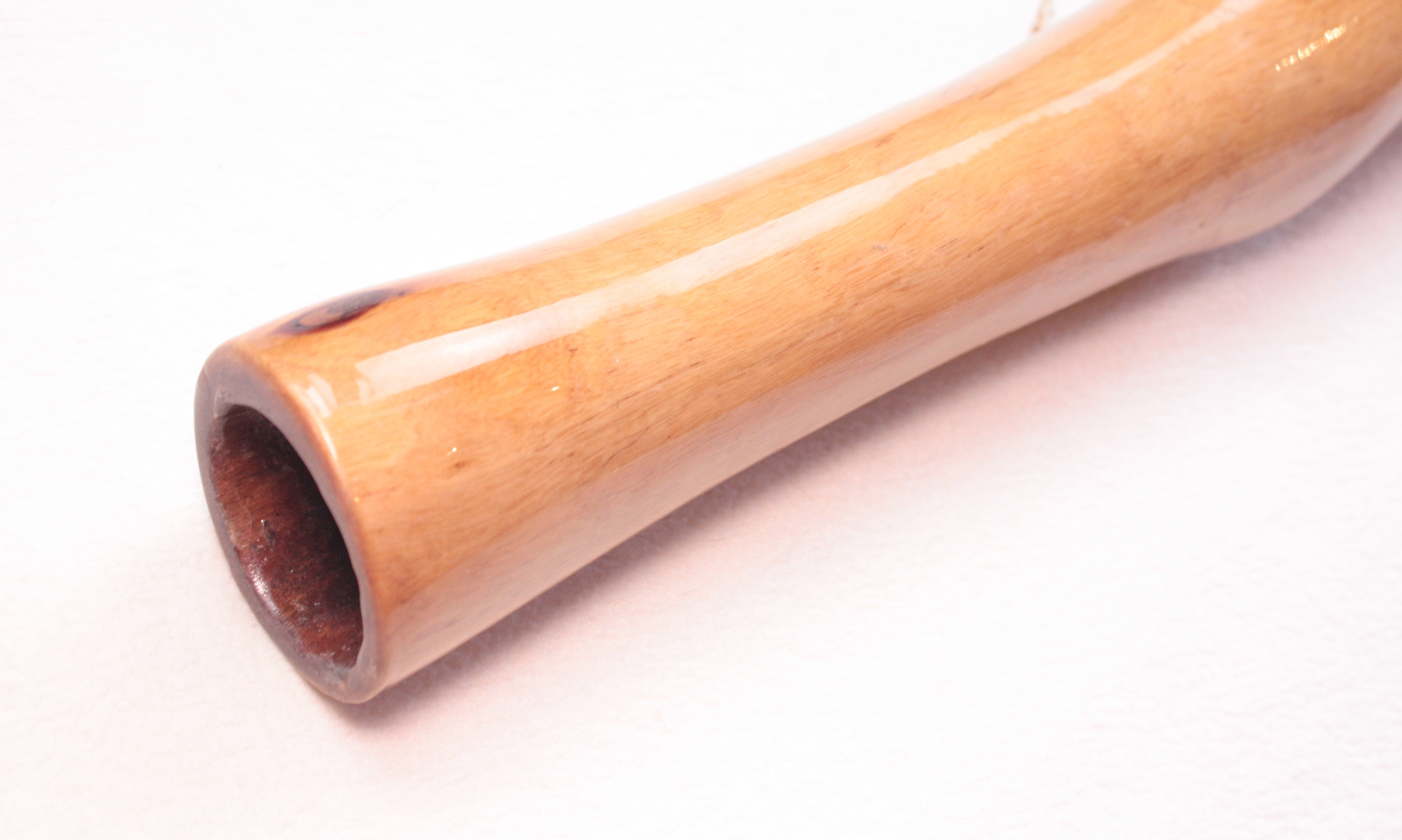
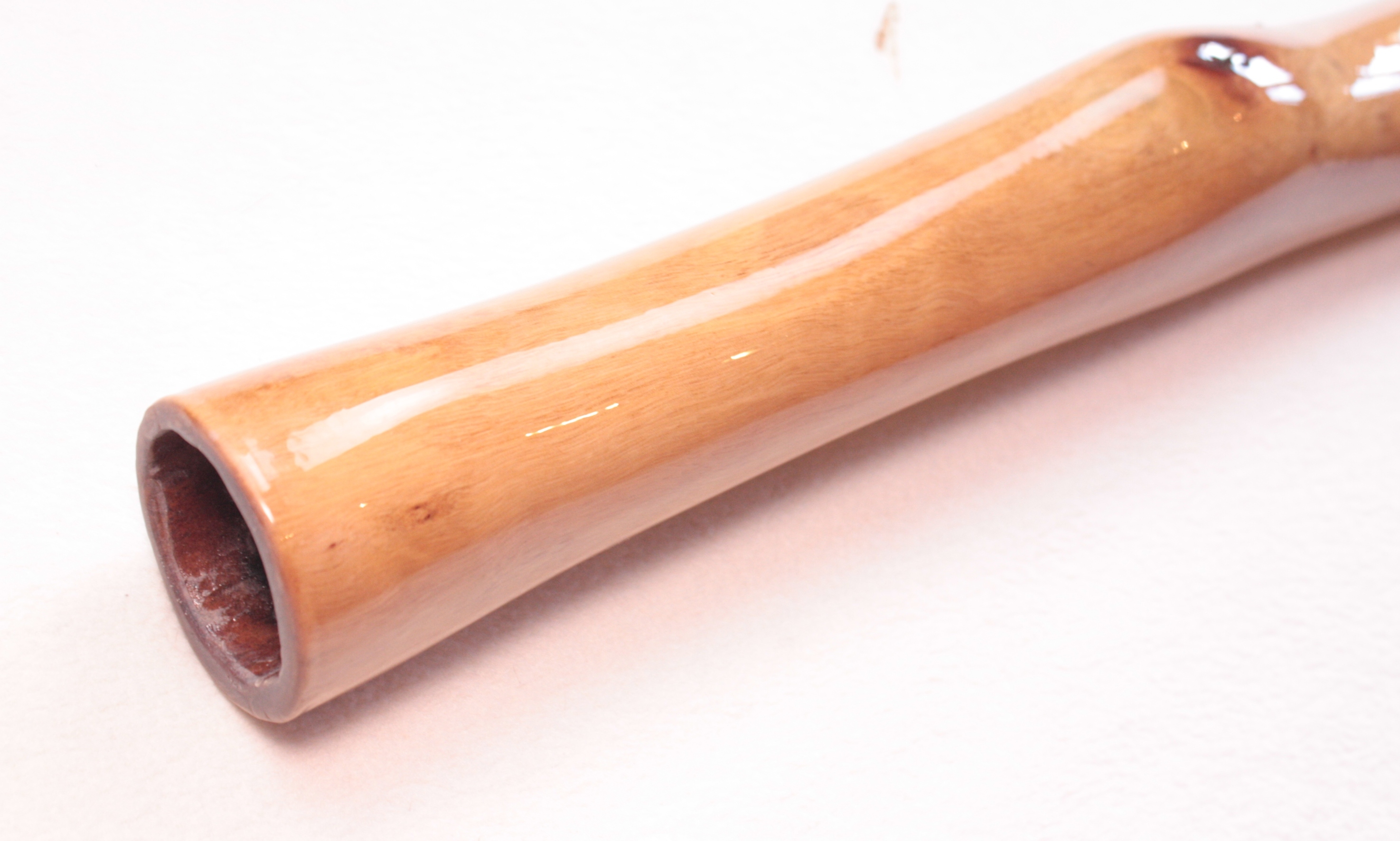
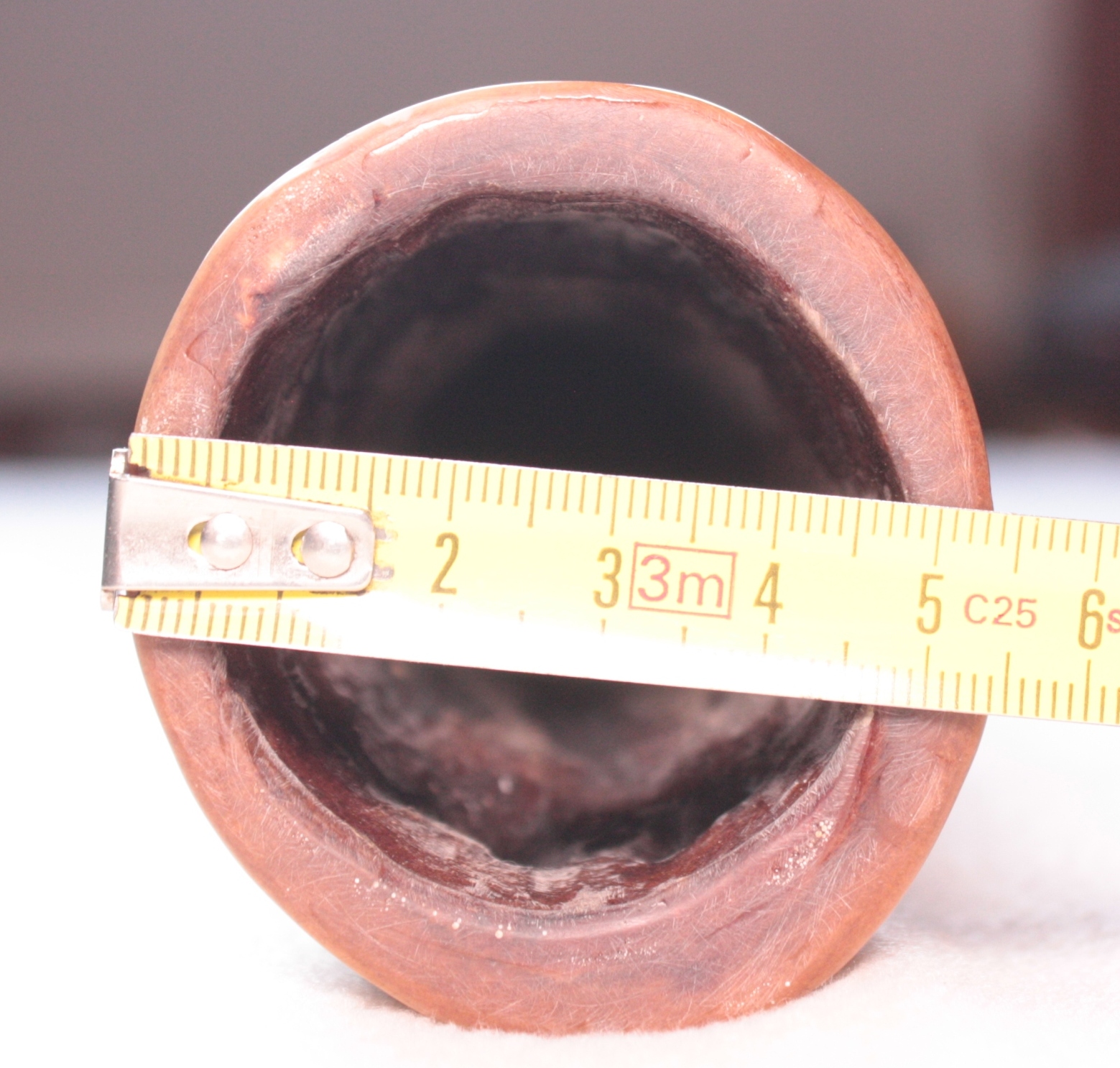
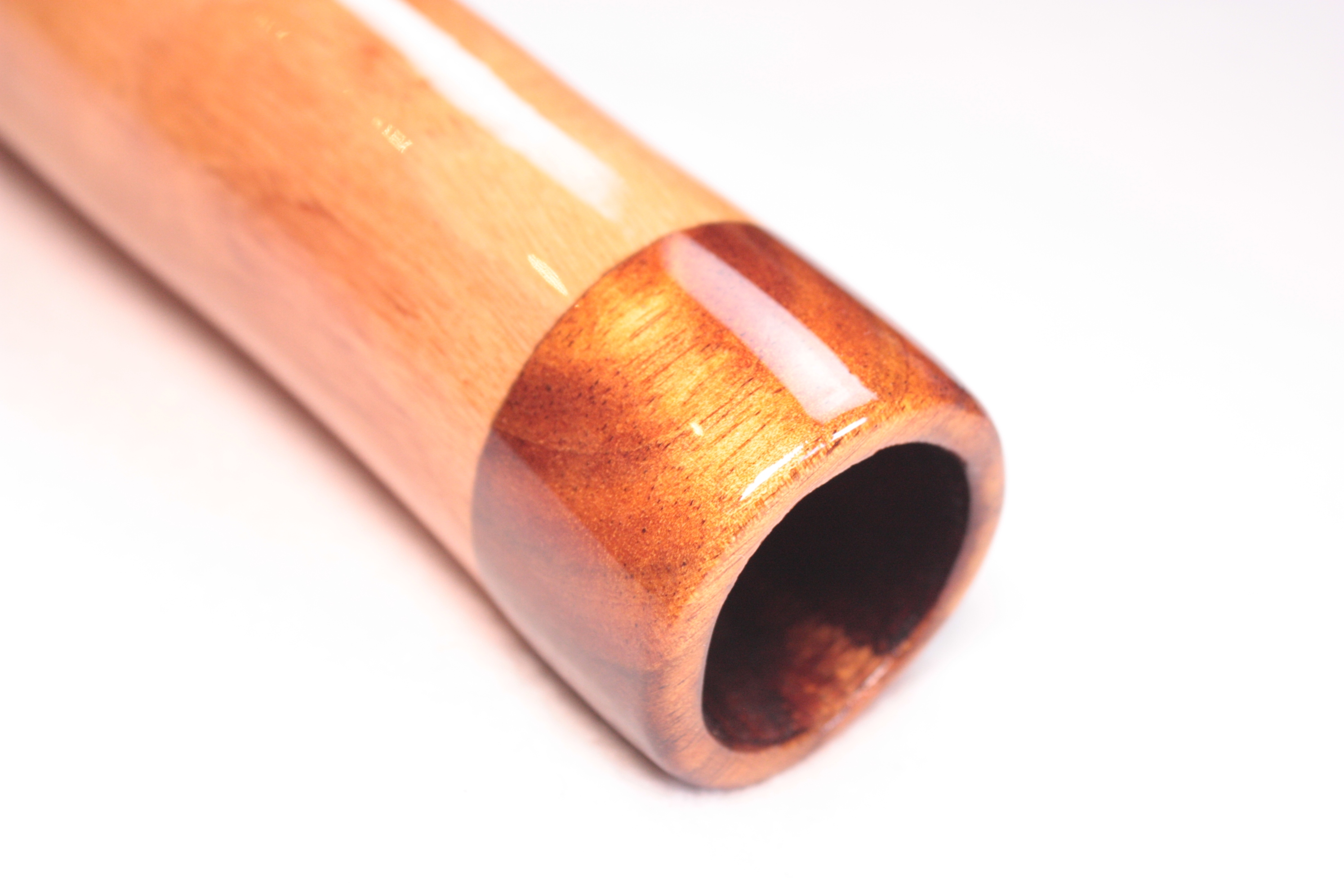
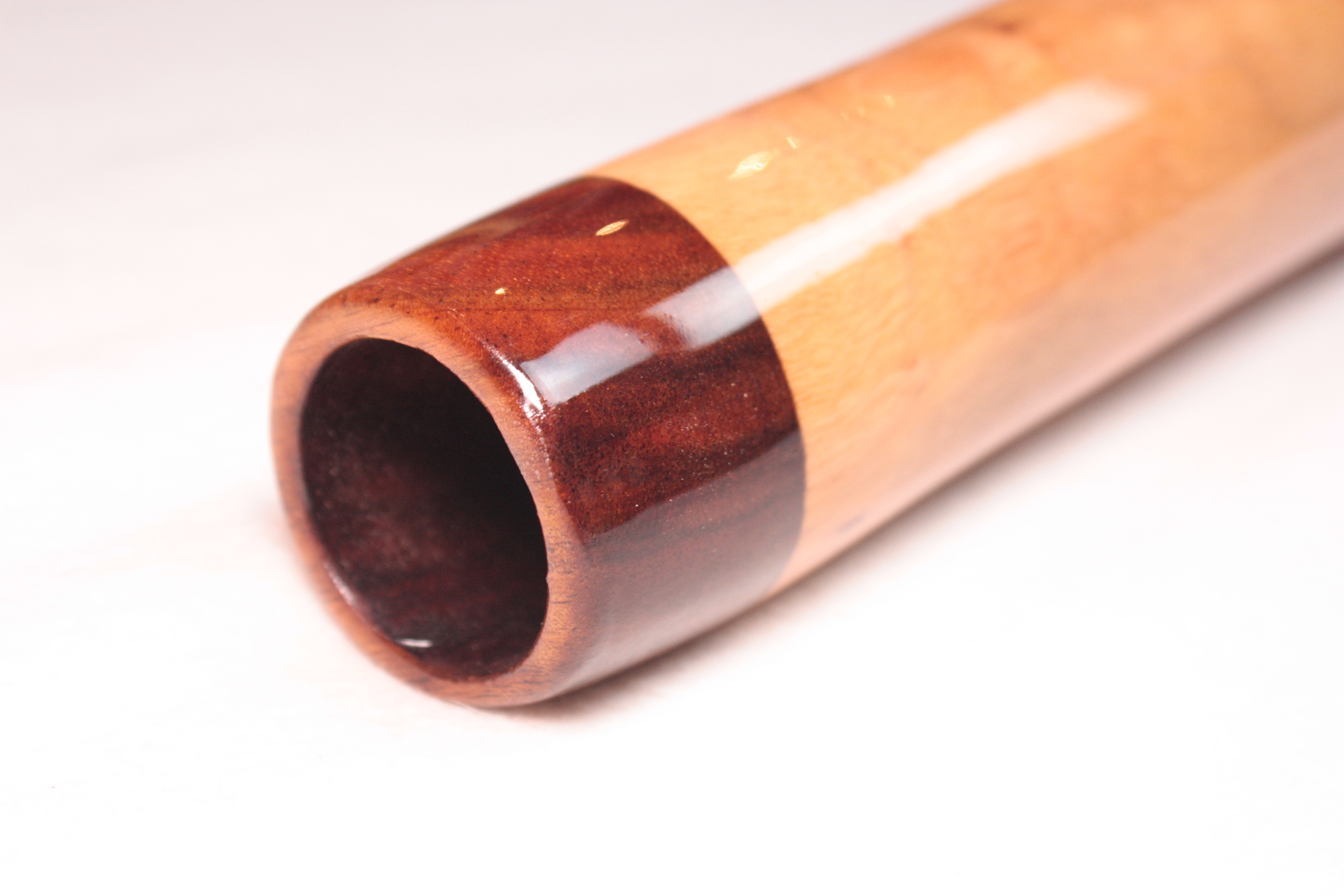
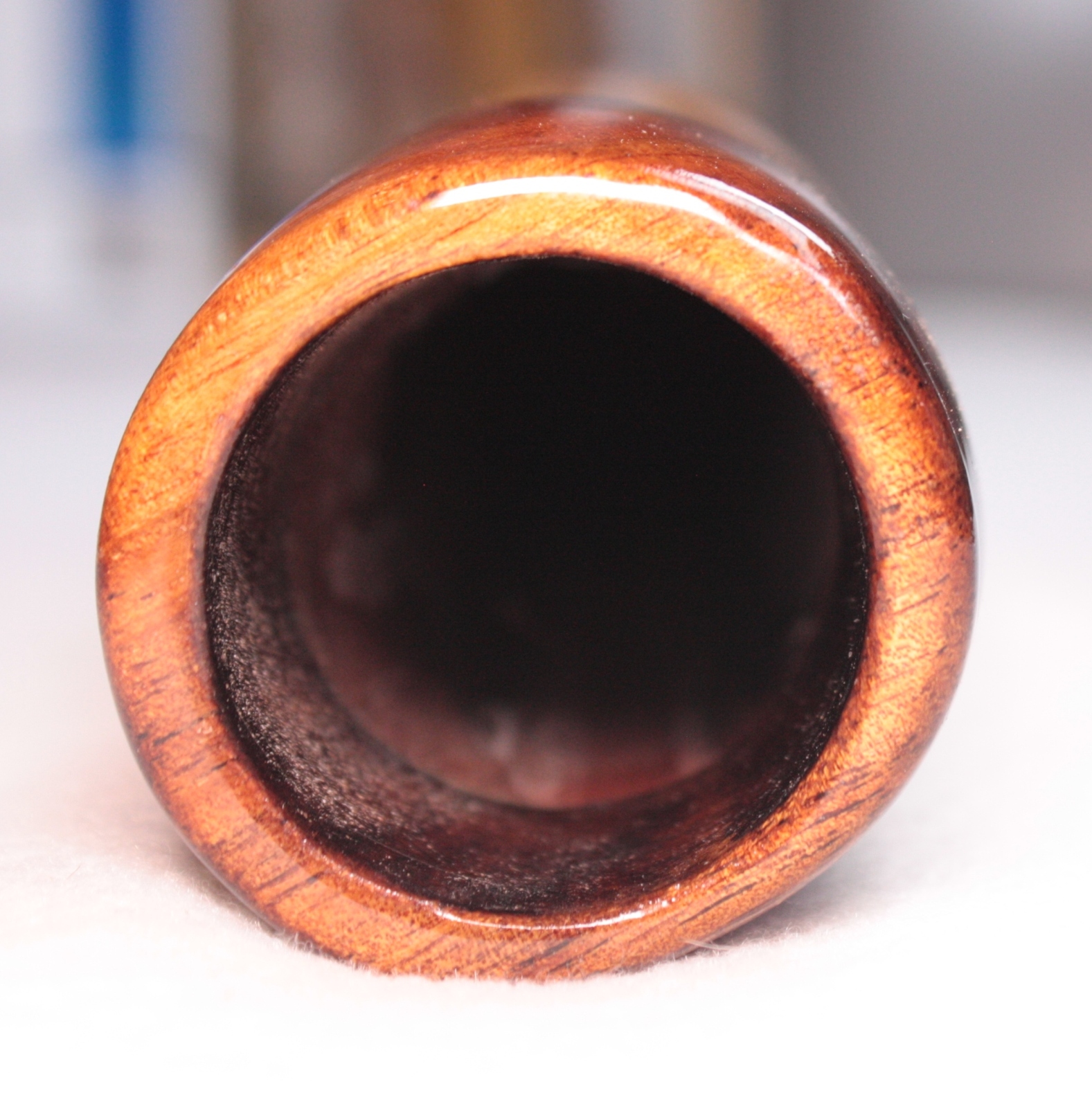
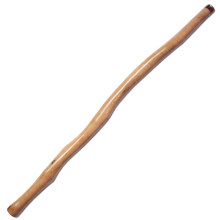
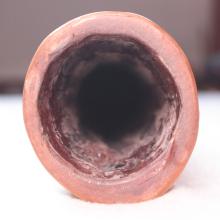
My comments: So here is the O'Meara Budget category. They are all made by hand with the help of a few power tools for sanding. They are finished externally with several coats of polyurethane lacquer, UV resistant and flexible.
Why this category of instruments? Quite simply to allow as many people as possible to have access to an authentic and quality termite eucalyptus instrument for a moderate budget!
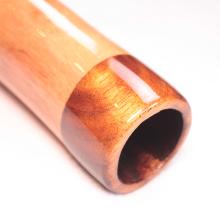
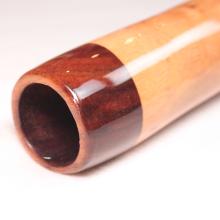
What is the difference with Top didge class? The type of trunk mainly used. Please note that budget didges and top didges come from the same cuts of wood. However, the manufacturing requirement of the top didge class means that Tristan has put trunks aside. The type of internal air column, and very often the length, did not allow Tristan to produce a top-class instrument. He then decided to launch a new category with the surplus trunks: The Budget didge class , ideal for getting started with the didgeridoo with a quality instrument that is, above all, easy to play. Or simply for a player wanting to get their hands on a versatile eucalyptus instrument on a low budget! However Tristan cannot spend the same time on finishing the instruments at this price, he does his best to obtain a suitable finish by prioritizing the acoustic quality of the instrument. All Budget Didges have a wooden (camphor) mouthpiece.
- Shipping costs are free! (only for France)
- Please note: carrying case not included, available here
Classification
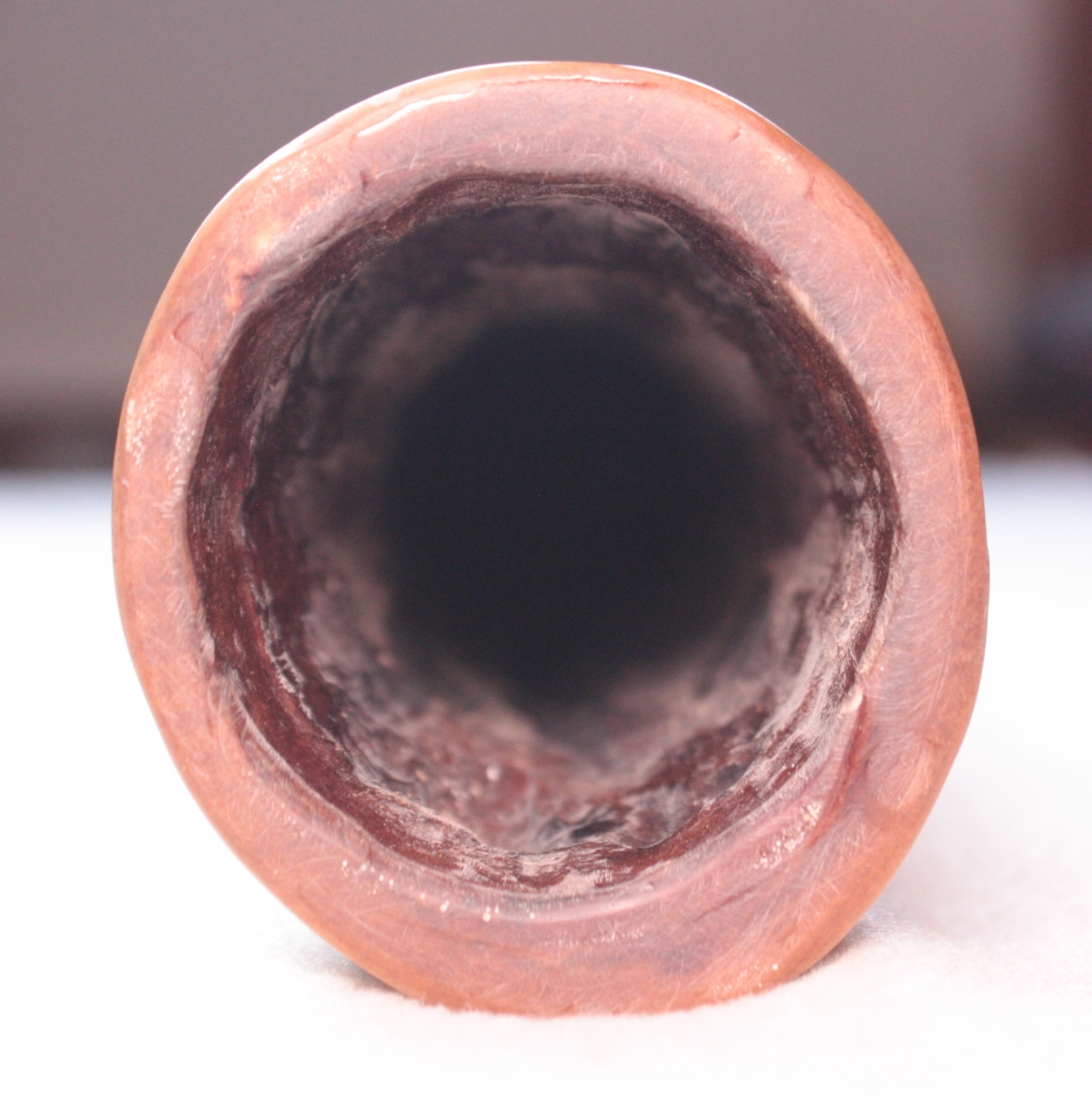
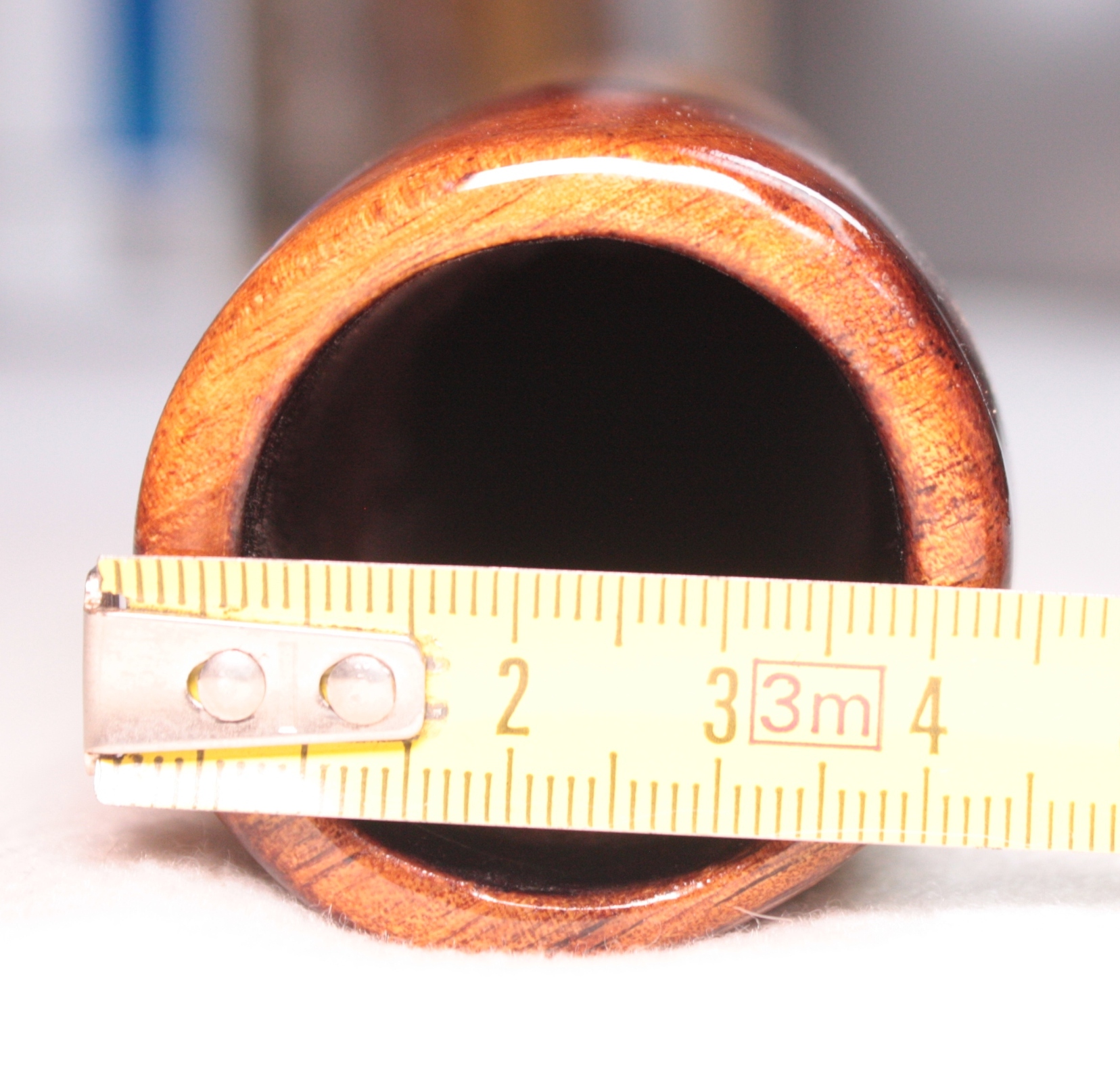
This scale is the result of an air column/bell start ratio If we divide the diameter of the bell with that of the beginning of the air column we get a number between 1.5 and 3.5. We can classify all the didgeridoos in 4 large families. Each family groups the instruments with a similar character, simply based on the overall shape of the air column (conical/cylindrical) and on the diameter of the column (wide/narrow). The result is a simple and very reliable reading grid, making it easier to search and purchase on line.
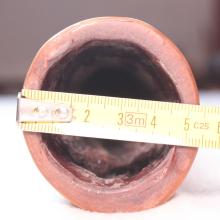
The diameters are measured with a caliper, start of the air column after the mouthpîece. This ratio is very reliable for a didg having a air column with a 'smooth' internal work, in the case of a hollowed eucalyptus instrument it give an approach of the instrumental character.
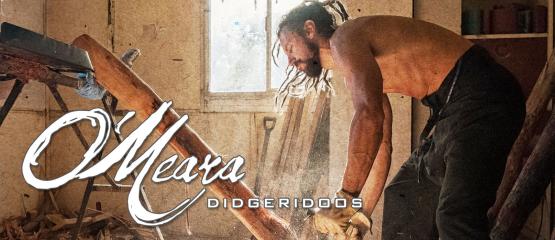
Tristan O'Meara
A musician at heart, Tristan has been making didgeridoos for over 10 years.
What started as a hobby became his livelihood: Making didgeridoos of the highest quality.
Who is Tristan O'Meara?
My name is Tristan O'Meara, and I've been a musician and songwriter for over 10 years. I currently live in Byron Bay, Australia. I was fortunate enough to be introduced to the didgeridoo by Wuduri Wiriundjara, a renowned Aboriginal artist from the Cairns area. Over time, I've learned what each player needs and their different styles on a didgeridoo. For those who want to perform on large stages, play outdoors or indoors, play solo acoustically, record in a studio, perform street art, or travel, I do my best to find what's best suited to each player. All my instruments are made using the finest eucalyptus wood (those that don't suit me end up as firewood; they burn very well...). Each didgeridoo is crafted and sculpted; I listen carefully to its optimal resonance. When I was learning didgeridoo techniques, I was searching for different notes to suit my music, but I couldn't afford to buy them all. So I decided to travel to the New Zealands.
I was fortunate enough to meet several traditional landowners who showed me how to make and how to find good logs properly hollowed out by termites in the Australian bush. These people were kind enough to share their time, skills, and knowledge with me. It was a long and often very difficult task that lasted several years. Over the last ten years, I have made didgeridoos with Aboriginal people as well as for renowned didgeridoo makers. I have spent countless hours perfecting my techniques for crafting these beautiful instruments, retaining everyone's ideas and improving my technique day after day.
How does Tristan make his didgeridoos?
All my dodges are 100% handmade from start to finish, crafted with the aid of a few power tools for sanding. They are coated inside and out with a blend of natural wood oils and left to soak for 24 hours. This saturates the wood, enhancing its natural colors and penetrating deep into the wood fibers to harden and crystallize it, increasing the wood's density and the instrument's sound quality. Finally, they are finished on the outside with several coats of high-quality, UV-resistant, and flexible epoxy resin.