
Tristan O'Meara 88
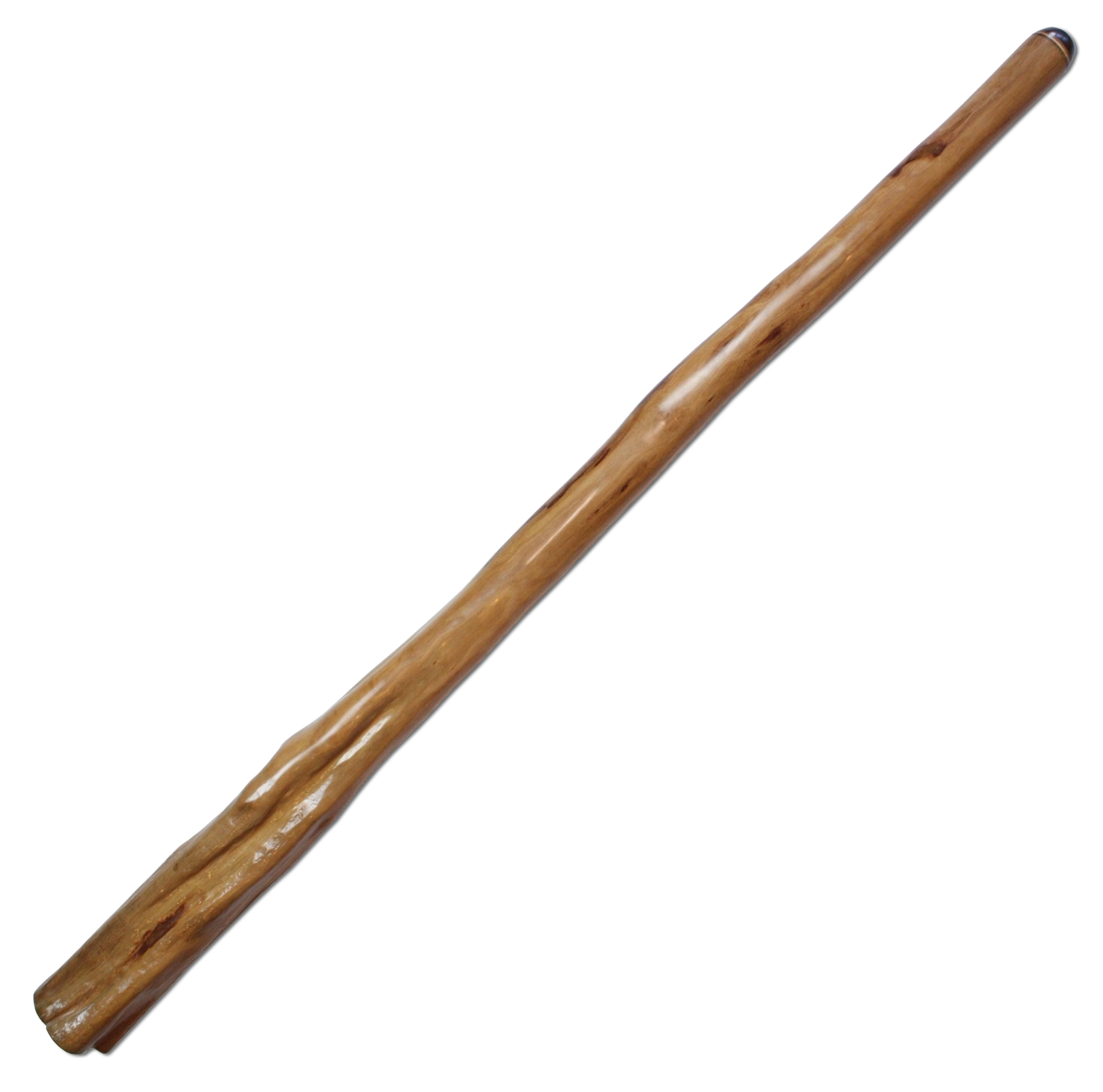
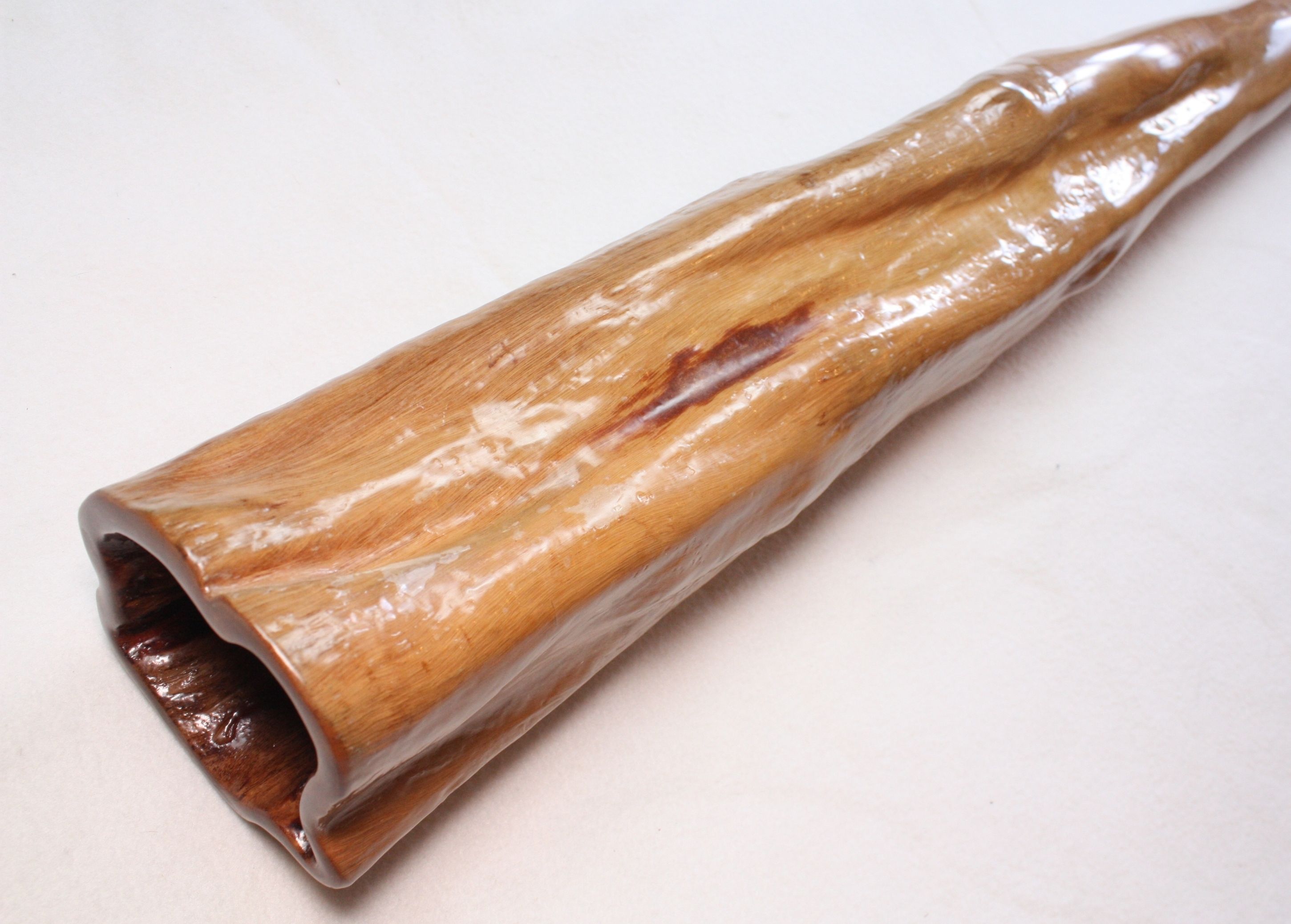
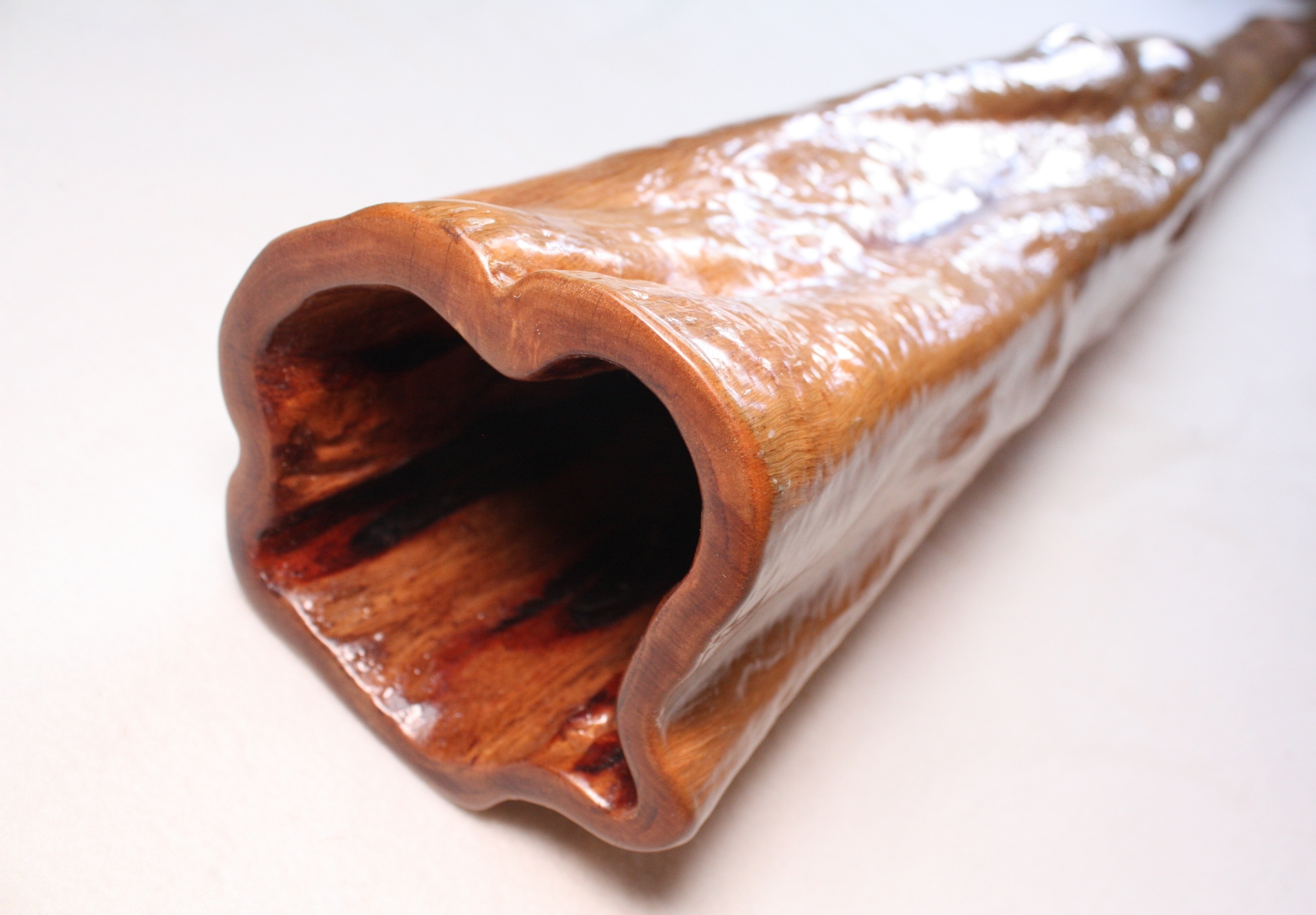
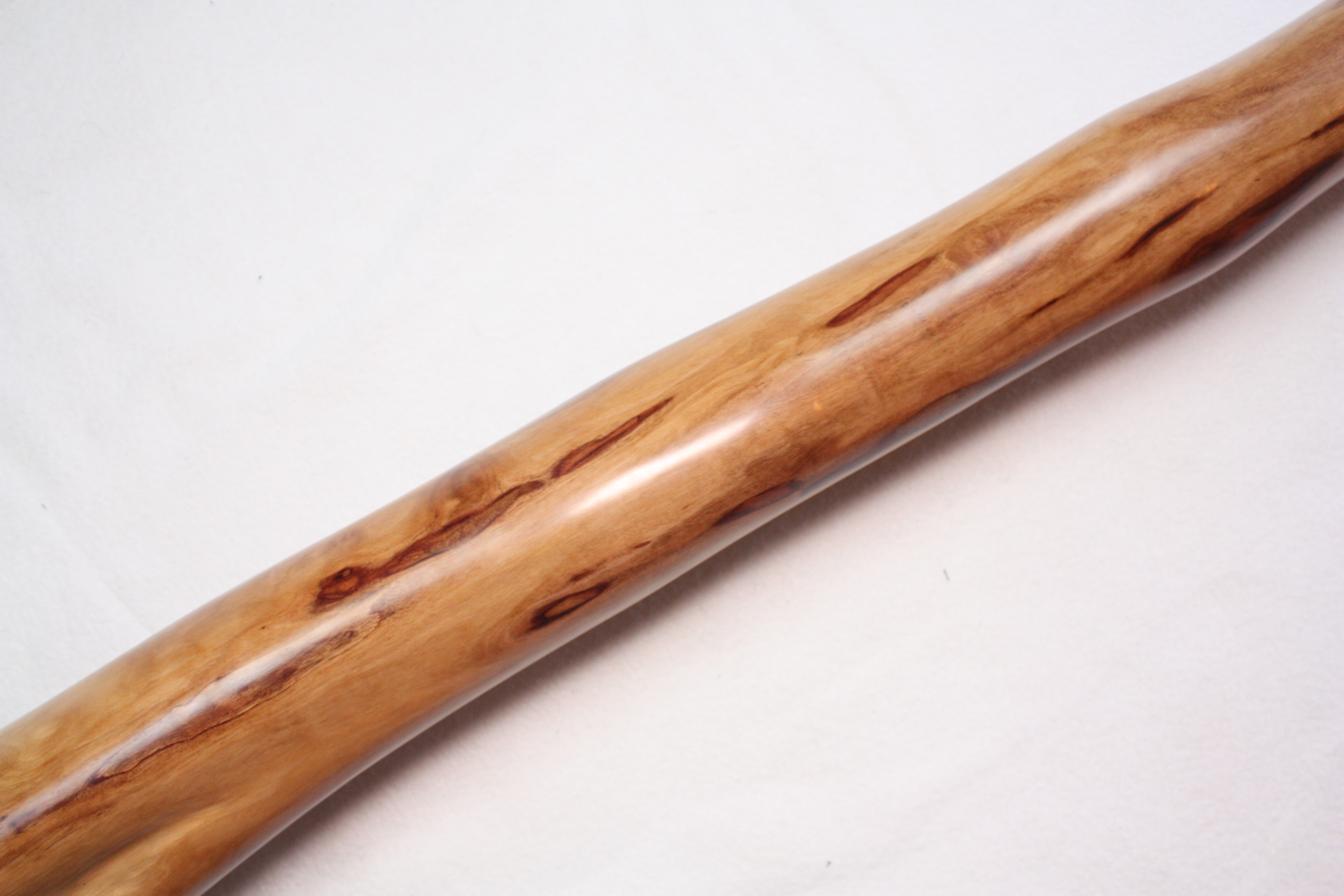
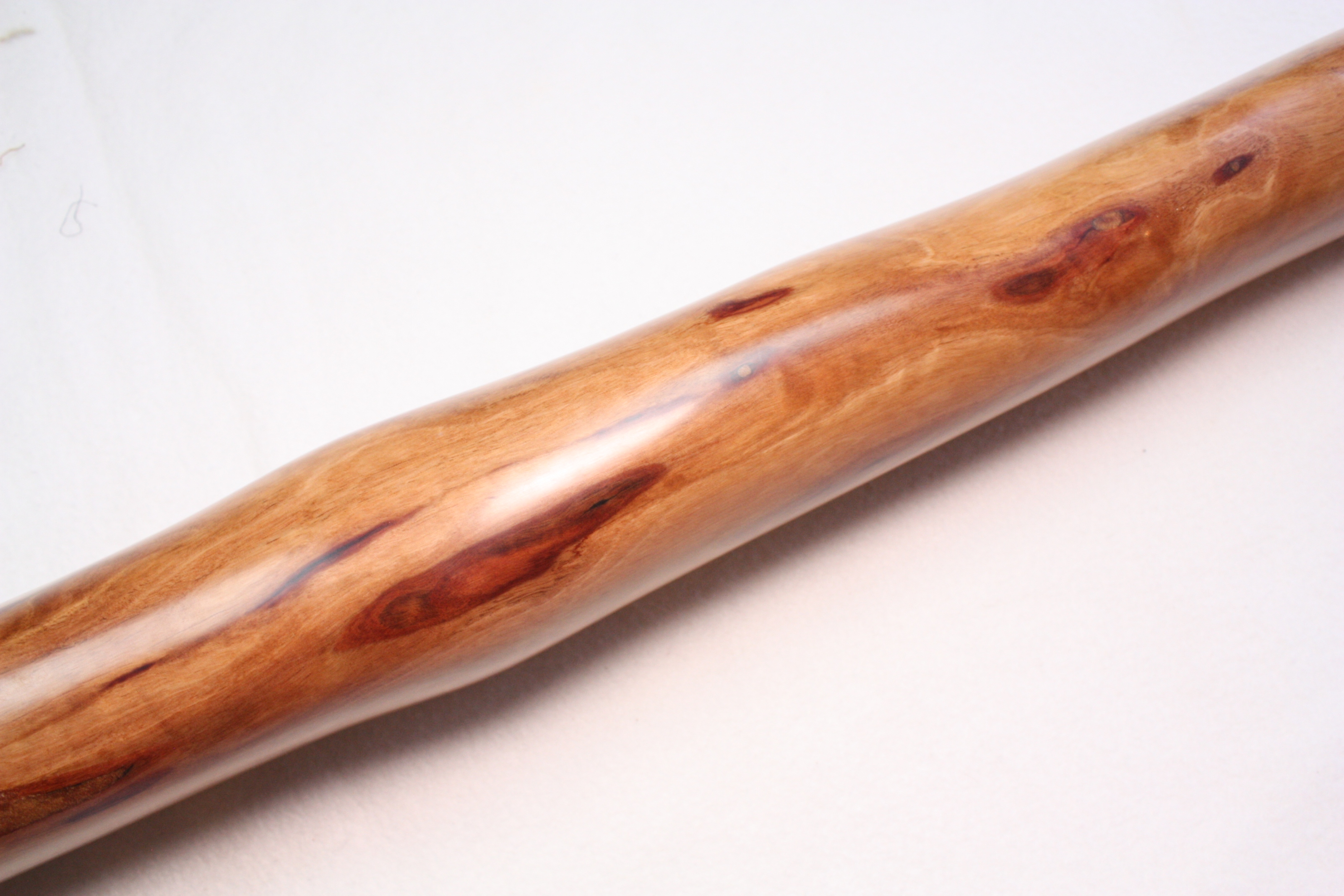
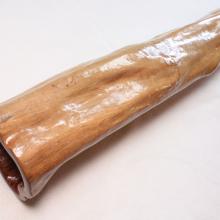
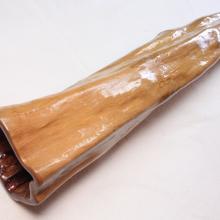
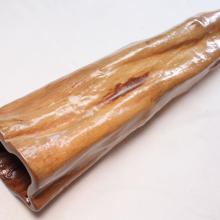
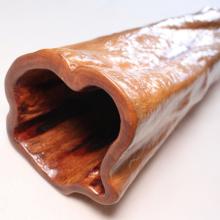
Product not available anymoreMy comments: All Tristan didges are made by hand with the help of a few power tools for sanding and polishing. They are coated inside and out with a blend of natural wood oils. Soaked for 24 hours, in order to saturate the wood and thus accentuate the natural colors but also to penetrate deep into the fibers of the wood in order to harden and crystallize it, which increases the density of the wood and the quality of sound in the instrument. They are then finished externally with multiple layers of high quality, UV resistant and flexible epoxy resin. Each didgeridoo has a wooden mouthpiece crafted to the dimensions of the instrument. Perfectly made, internal diameter, size and finish.
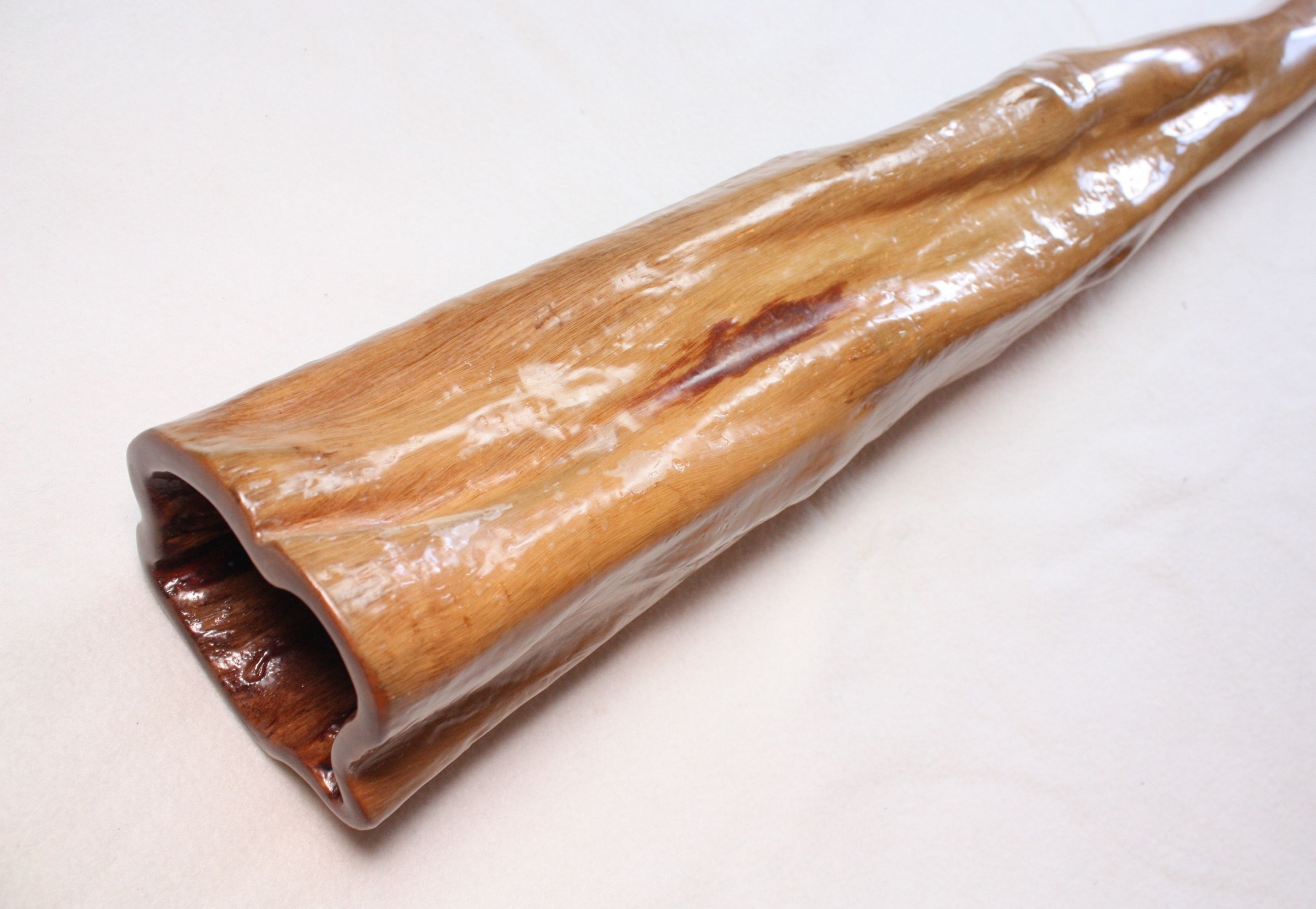
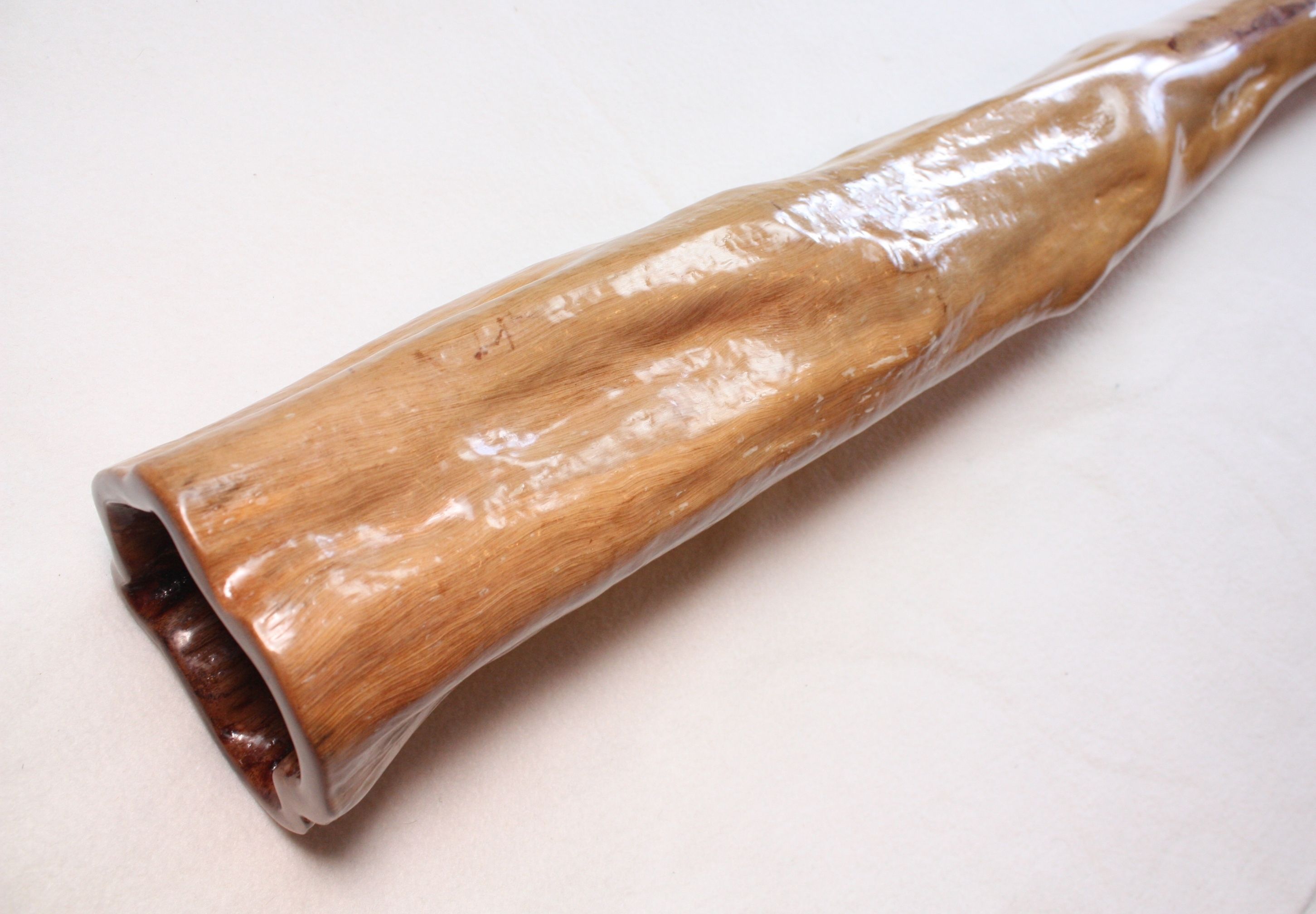
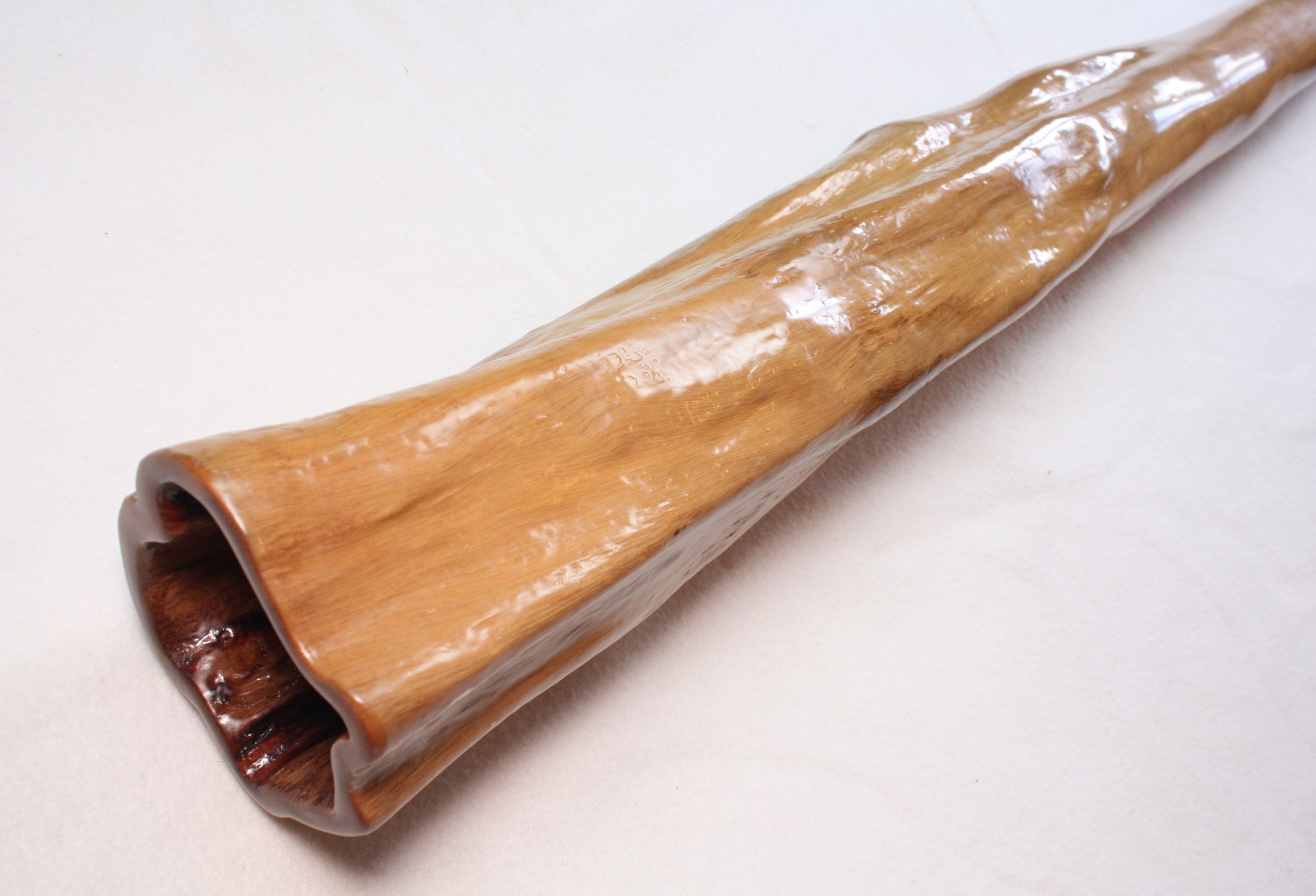
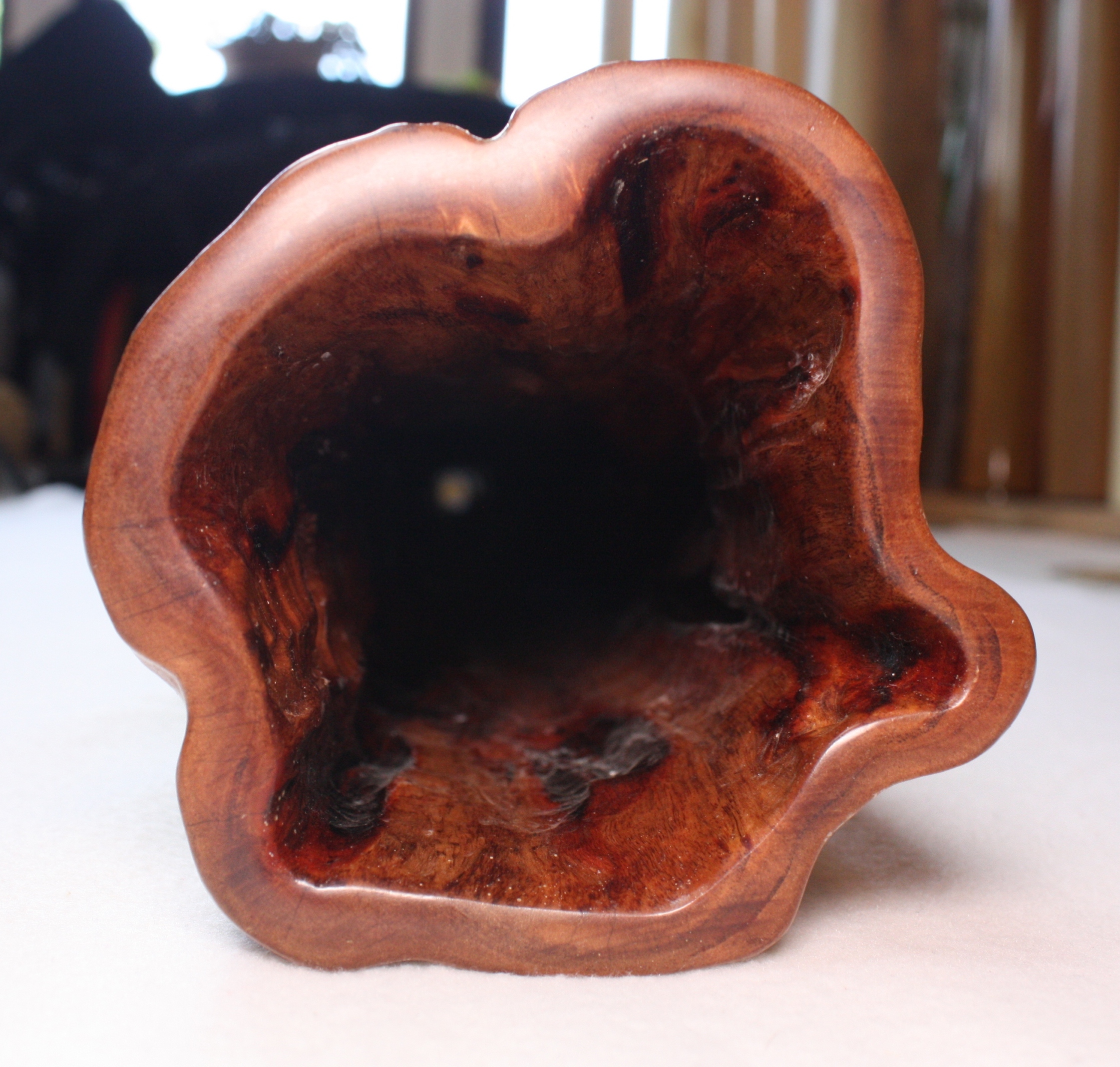
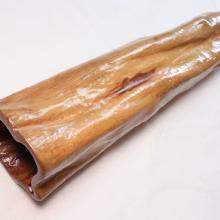
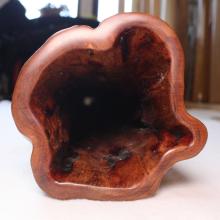
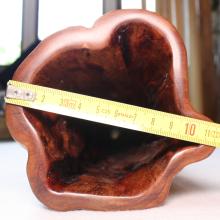
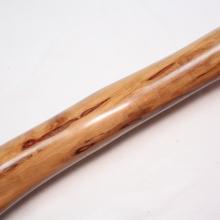
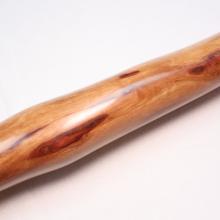
Here is a didg which has a particular history, firstly in its design. Tristan did not want to put his logo on this didg, for the simple reason that he could not find the place on the bell. He preferred to leave the didg without an apparent signature in order to preserve its beauty. This didg was sold to a friend who just gave it to me for sale. It is in excellent condition. It should just be noted that the bell has bubbles underneath the epoxy resin. This poses no risk to the future of the instrument but it is important to point it out. These bubbles have been there from the beginning. Now let's talk about the didg itself! An excellent instrument. In fact this didg is sold below the price of its starting value because it is "used" even if for my part it is close to new condition. For information purposes, you can easily add €300 to the base price to obtain the purchase price. A very rare didgeridoo both in its shape and in its playing. We see less and less beautiful and good instruments!!
- Instrument guaranteed for 1 year
- Shipping costs are free! (only for France)
- Didgeridoo Passion also offers you the high-end O'Meara signature cover
Are you going to tell me it's a bit expensive for a Didgeridoo?
Didgeridoo Passion selects high-end instruments for you for extraordinary sound and playability! It is an investment that must be made by all those who want to access the top of the range in terms of sound, design and handling. From experience, the quality of Tristan's didgeridoos is truly exceptional, you will be won over from the first breath! Sound quality is in symbiosis with a perfect body!
Classification
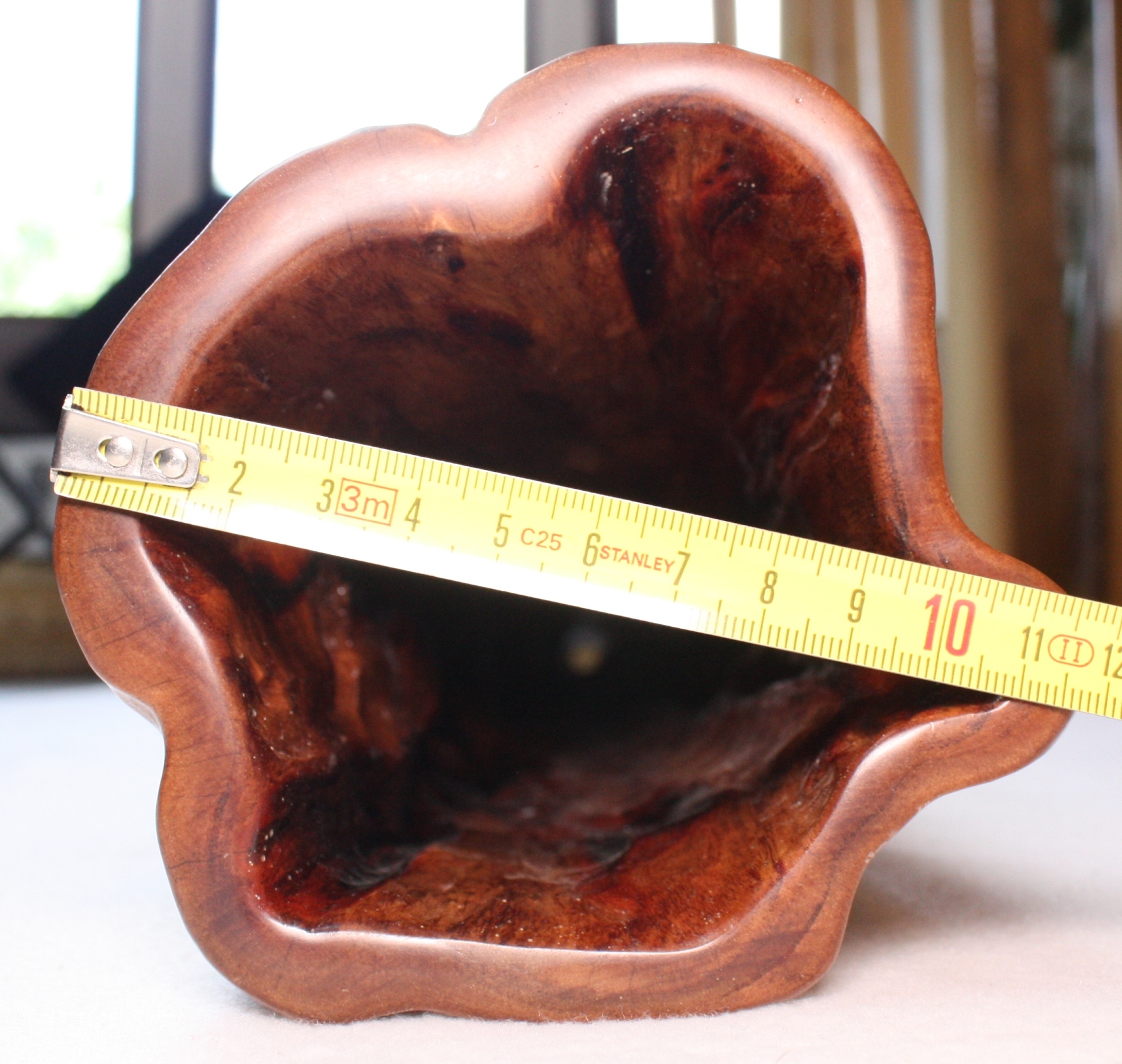
This scale is the result of an air column/bell start ratio If we divide the diameter of the bell with that of the beginning of the air column we get a number between 1.5 and 3.5. We can classify all the didgeridoos in 4 large families. Each family groups the instruments with a similar character, simply based on the overall shape of the air column (conical/cylindrical) and on the diameter of the column (wide/narrow). The result is a simple and very reliable reading grid, making it easier to search and purchase on line.
The diameters are measured with a caliper, start of the air column after the mouthpîece. This ratio is very reliable for a didg having a air column with a 'smooth' internal work, in the case of a hollowed eucalyptus instrument it give an approach of the instrumental character.
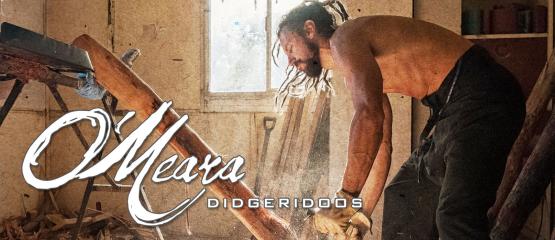
Tristan O'Meara
A musician at heart, Tristan has been making didgeridoos for over 10 years.
What started as a hobby became his livelihood: Making didgeridoos of the highest quality.
Who is Tristan O'Meara?
My name is Tristan O'Meara, and I've been a musician and songwriter for over 10 years. I currently live in Byron Bay, Australia. I was fortunate enough to be introduced to the didgeridoo by Wuduri Wiriundjara, a renowned Aboriginal artist from the Cairns area. Over time, I've learned what each player needs and their different styles on a didgeridoo. For those who want to perform on large stages, play outdoors or indoors, play solo acoustically, record in a studio, perform street art, or travel, I do my best to find what's best suited to each player. All my instruments are made using the finest eucalyptus wood (those that don't suit me end up as firewood; they burn very well...). Each didgeridoo is crafted and sculpted; I listen carefully to its optimal resonance. When I was learning didgeridoo techniques, I was searching for different notes to suit my music, but I couldn't afford to buy them all. So I decided to travel to the New Zealands.
I was fortunate enough to meet several traditional landowners who showed me how to make and how to find good logs properly hollowed out by termites in the Australian bush. These people were kind enough to share their time, skills, and knowledge with me. It was a long and often very difficult task that lasted several years. Over the last ten years, I have made didgeridoos with Aboriginal people as well as for renowned didgeridoo makers. I have spent countless hours perfecting my techniques for crafting these beautiful instruments, retaining everyone's ideas and improving my technique day after day.
How does Tristan make his didgeridoos?
All my dodges are 100% handmade from start to finish, crafted with the aid of a few power tools for sanding. They are coated inside and out with a blend of natural wood oils and left to soak for 24 hours. This saturates the wood, enhancing its natural colors and penetrating deep into the wood fibers to harden and crystallize it, increasing the wood's density and the instrument's sound quality. Finally, they are finished on the outside with several coats of high-quality, UV-resistant, and flexible epoxy resin.