
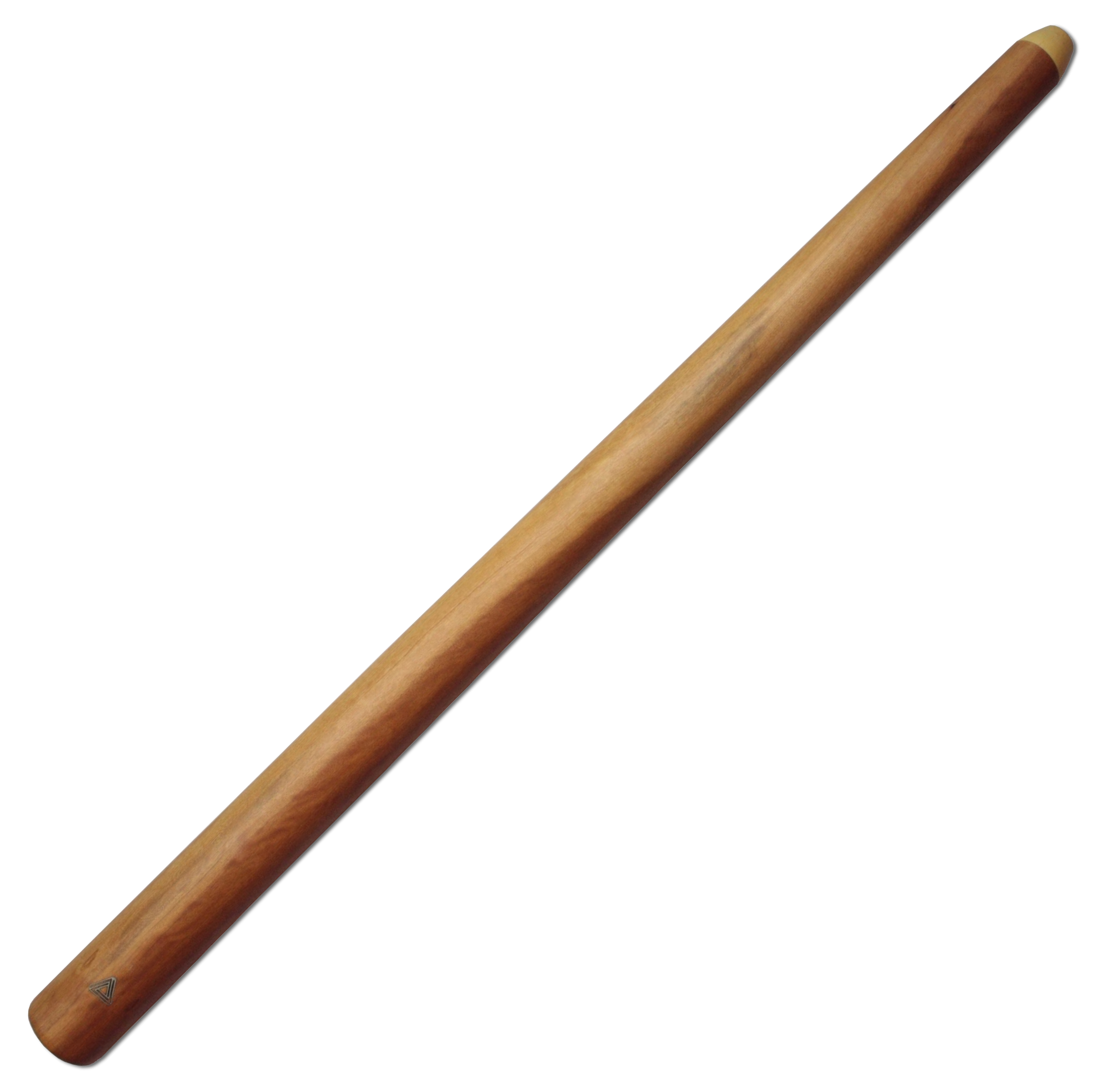
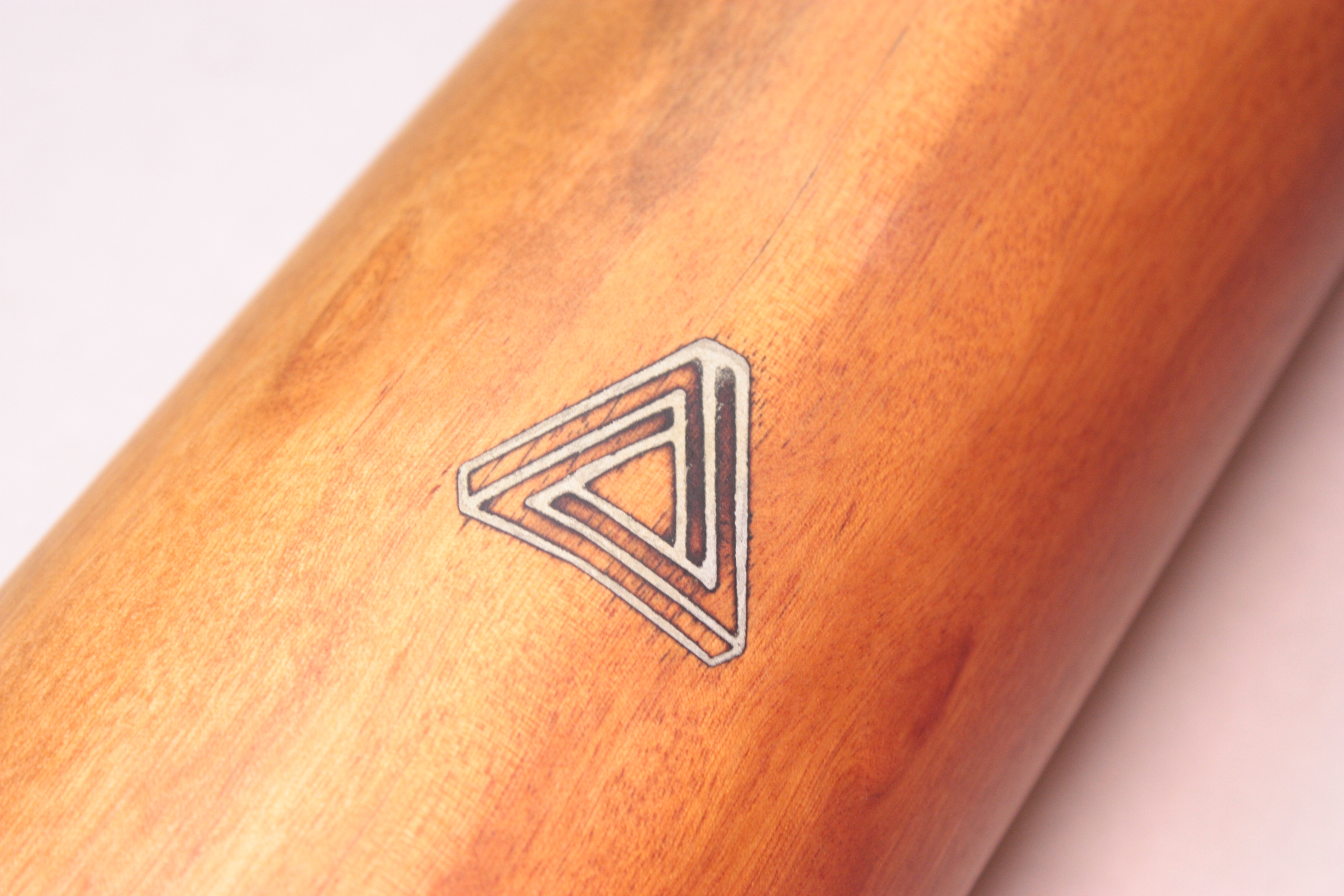
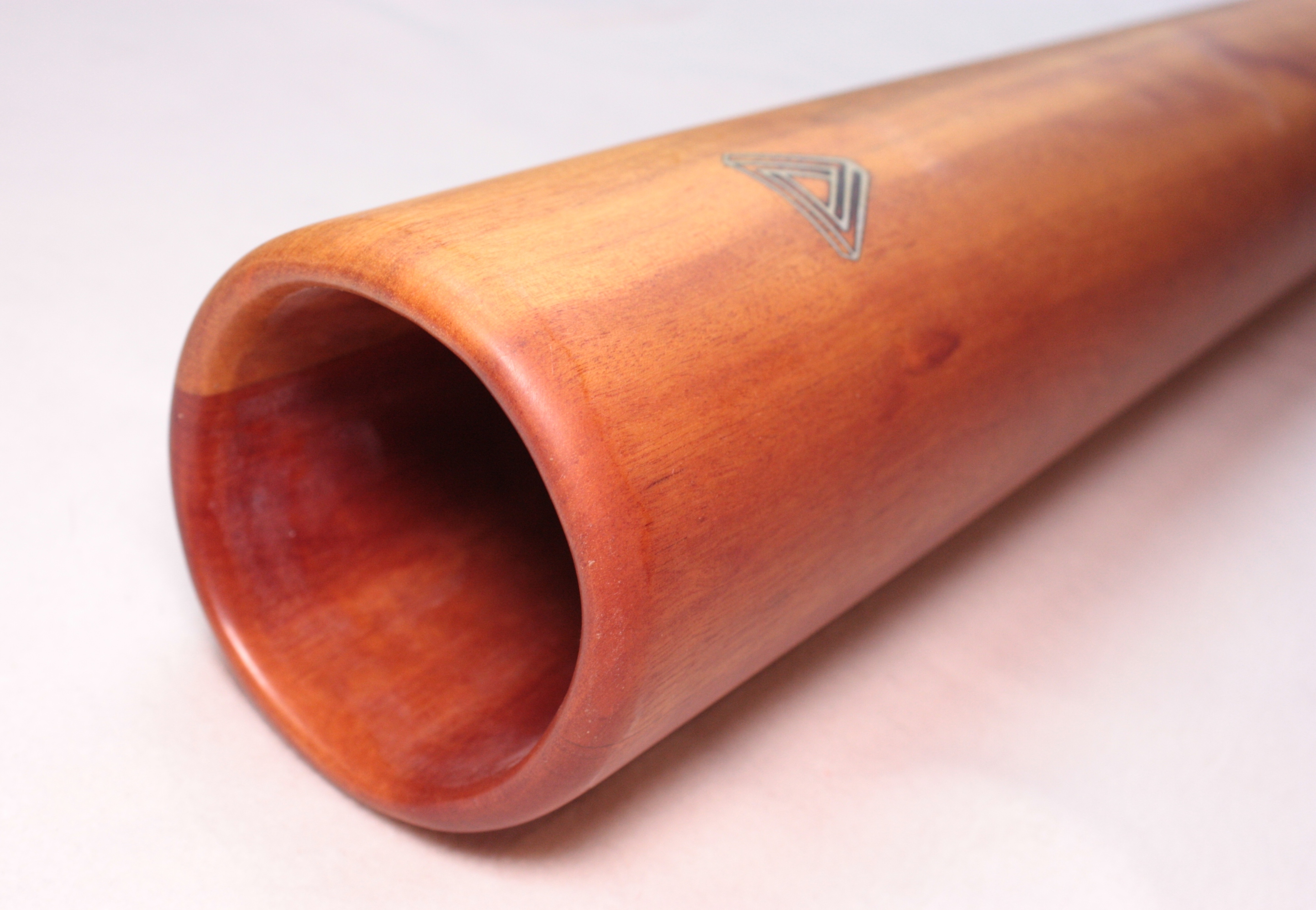
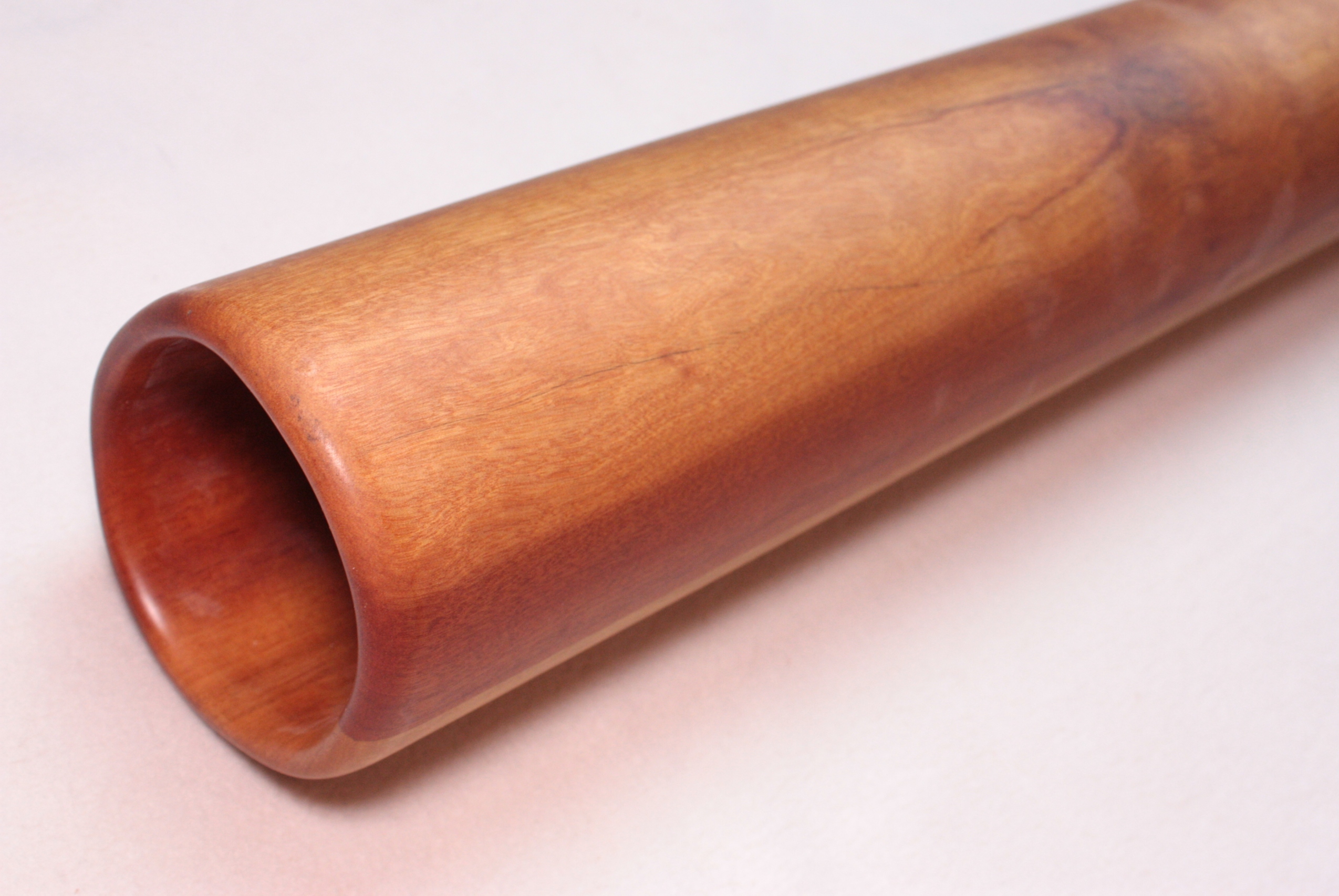
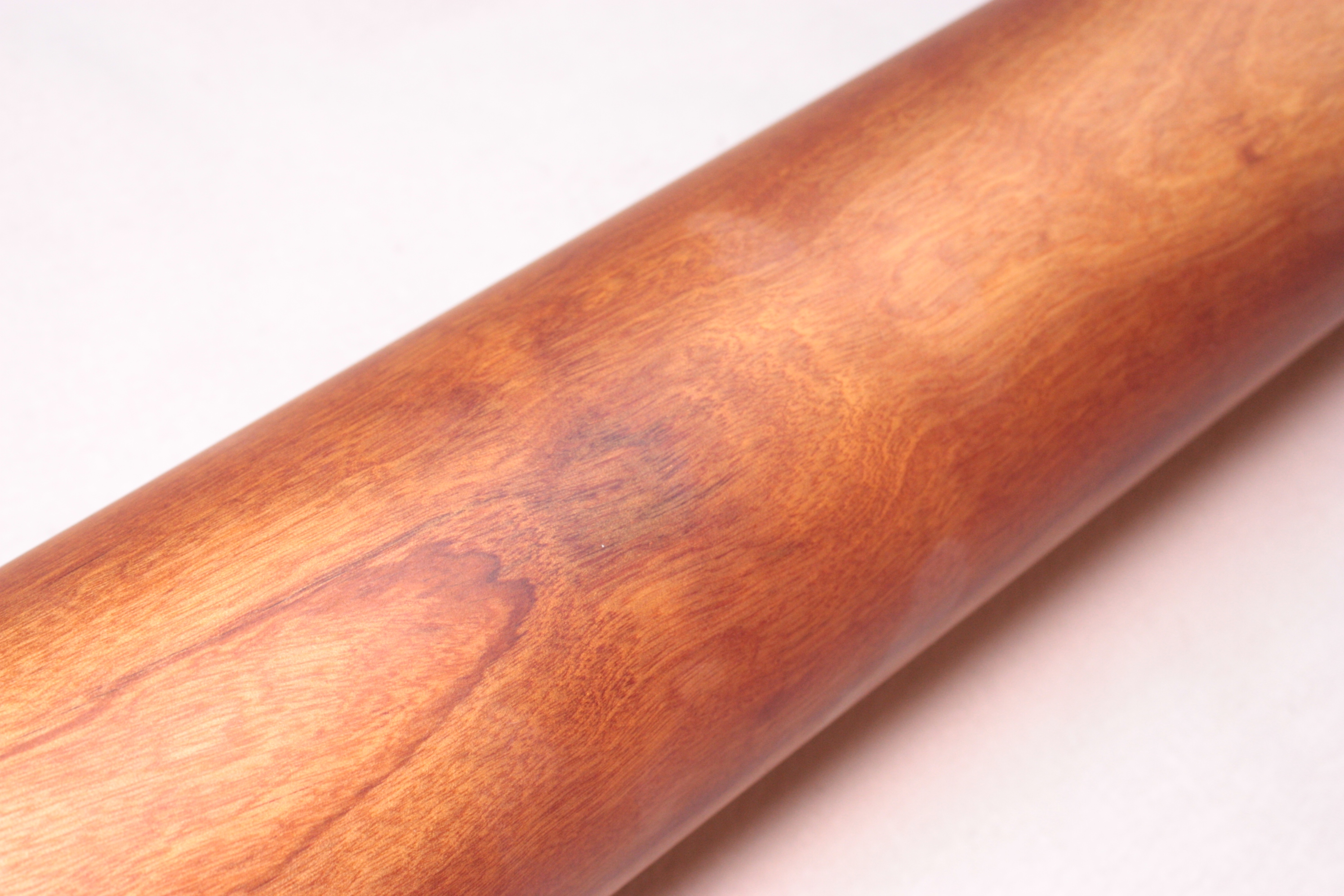
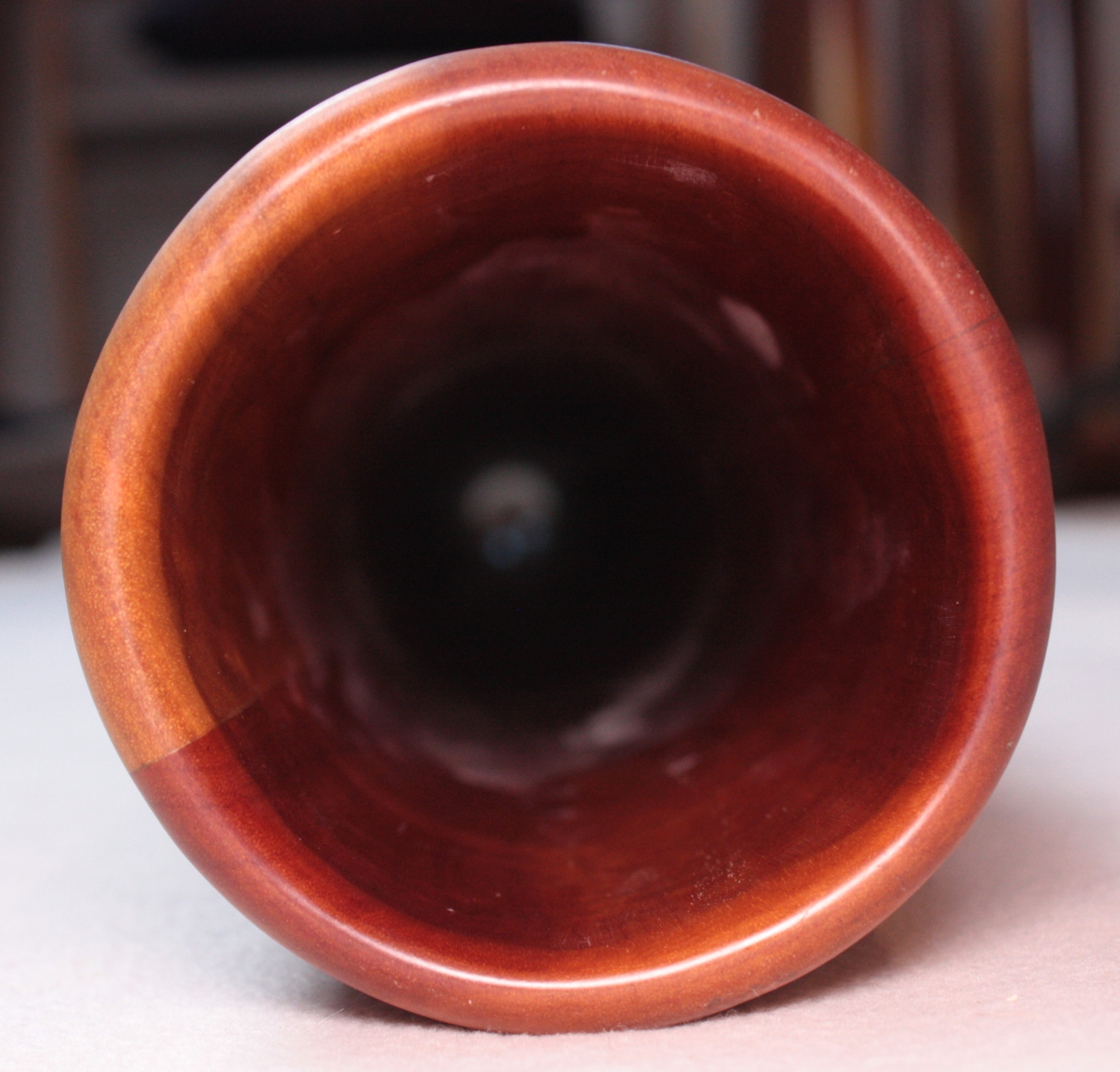
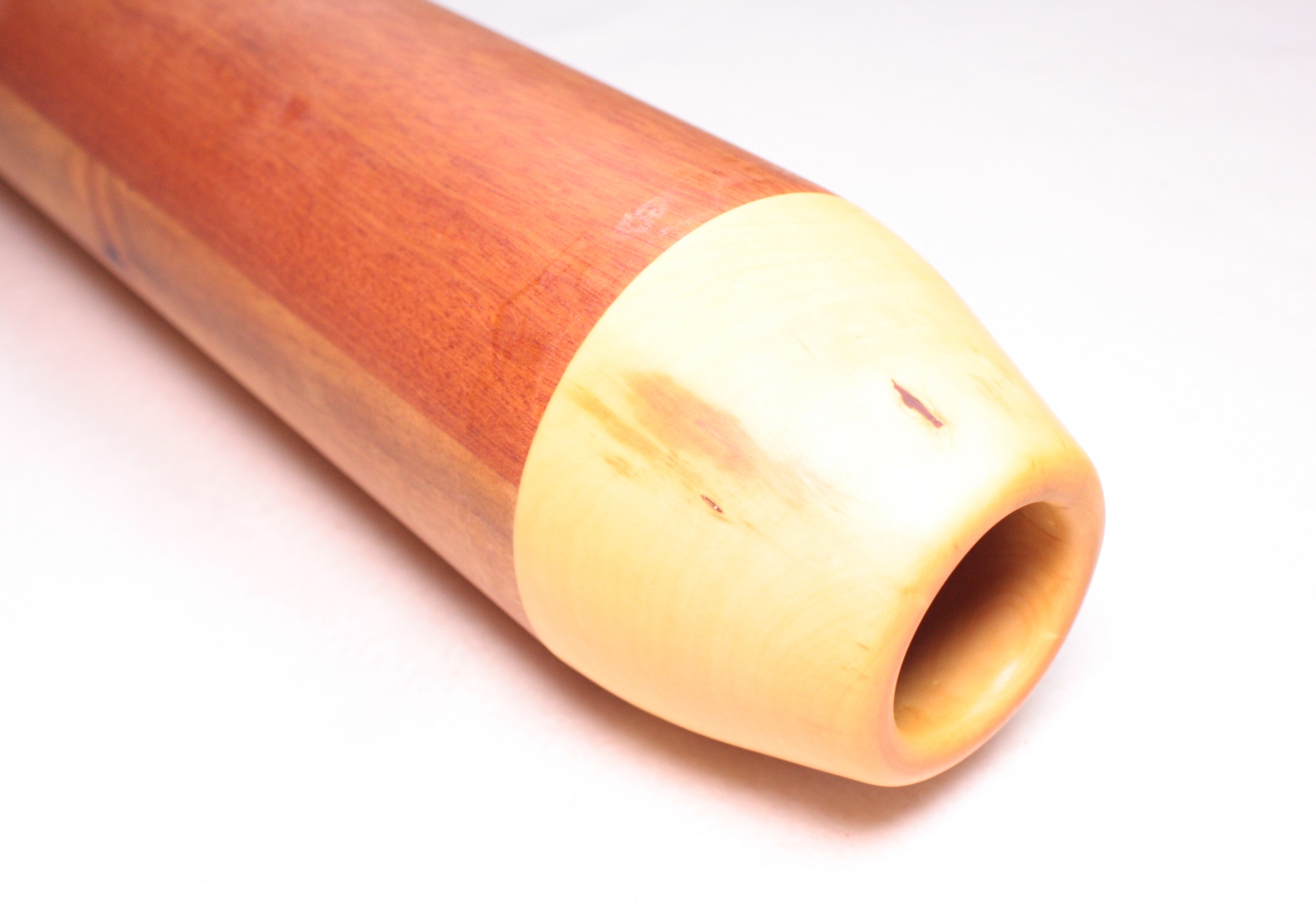
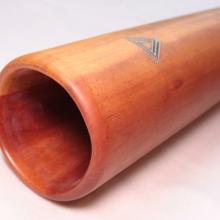
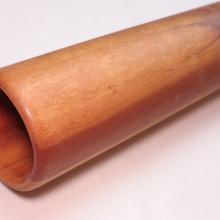
Alex Didg Do Concert
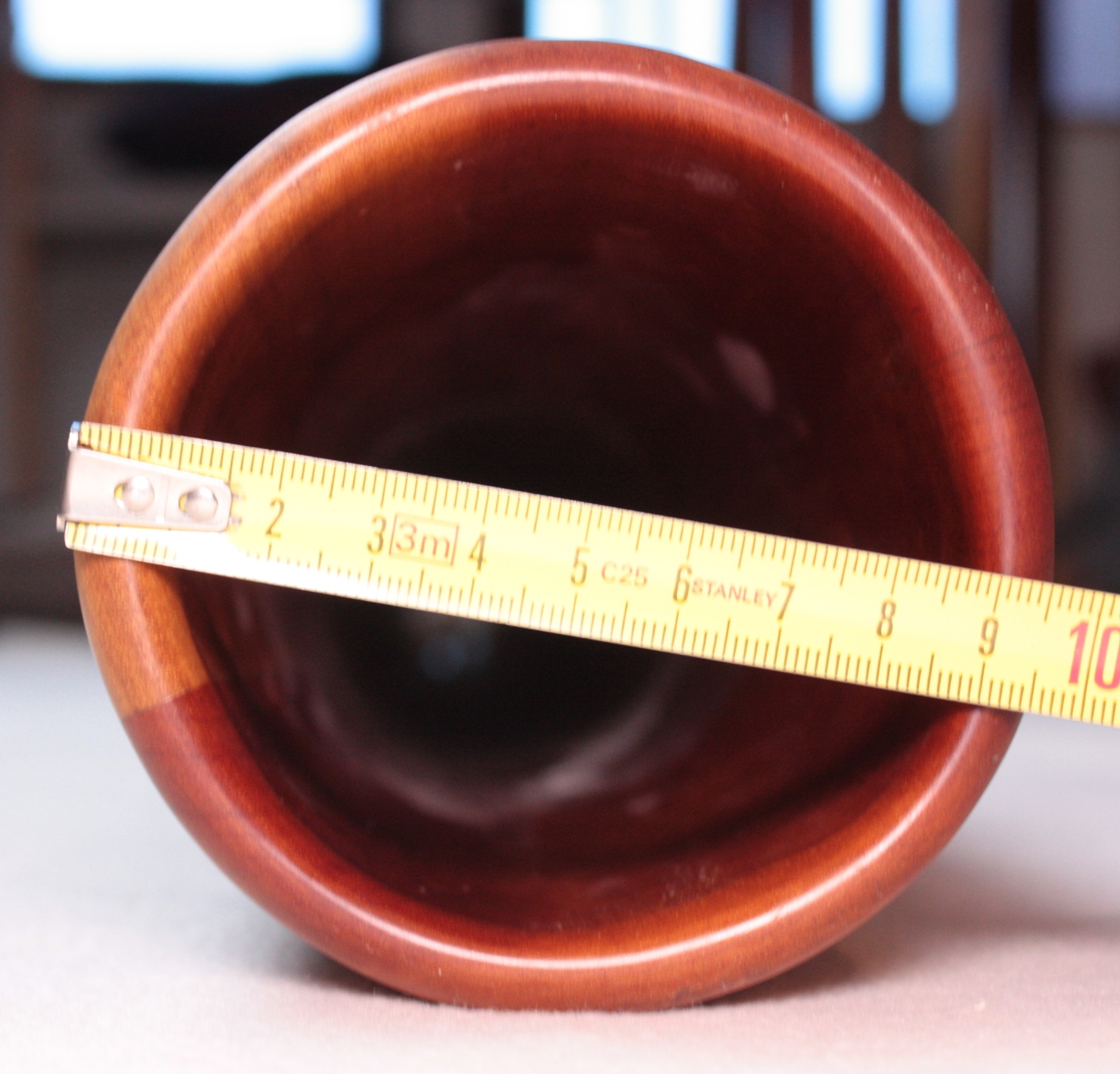
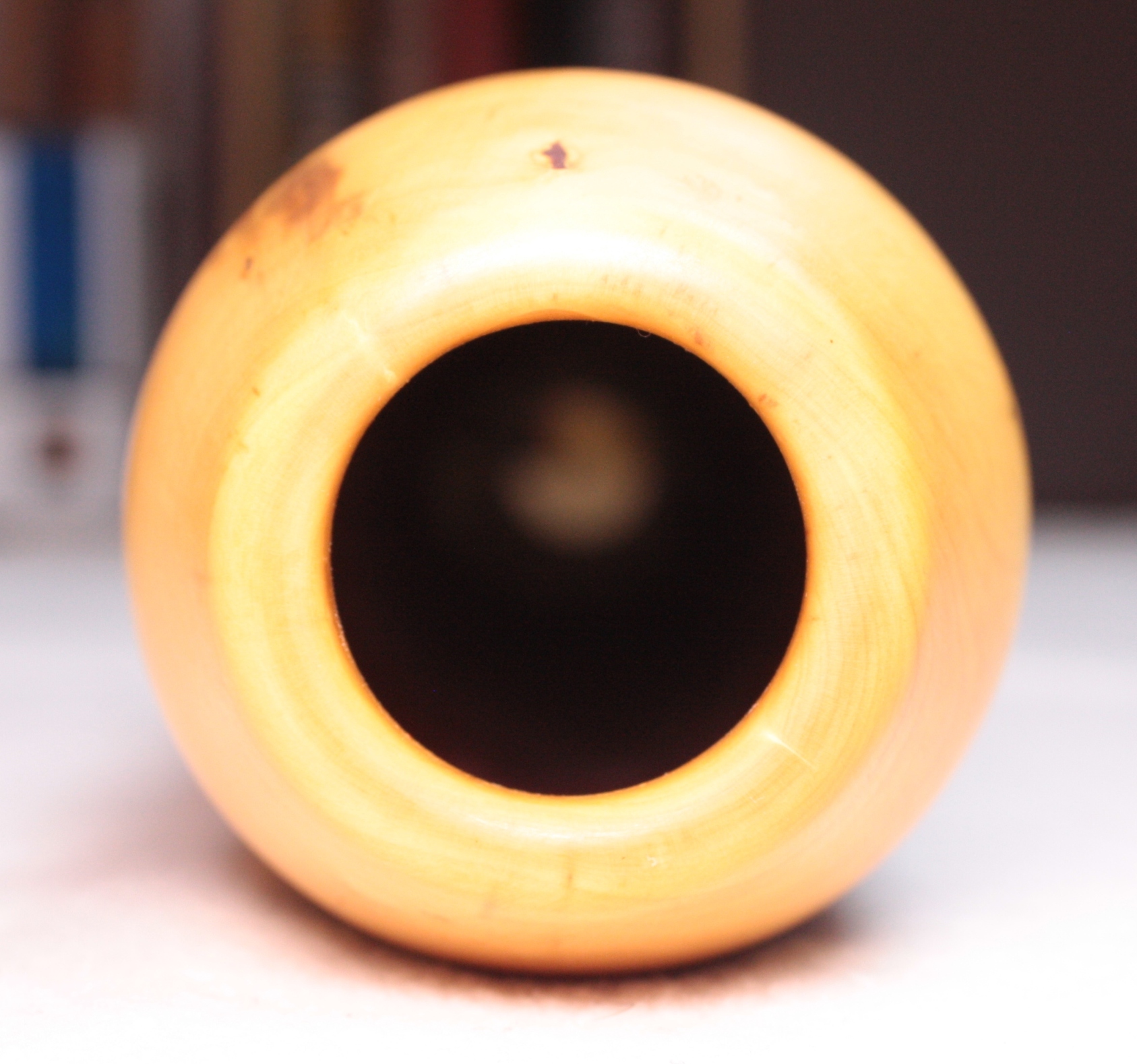
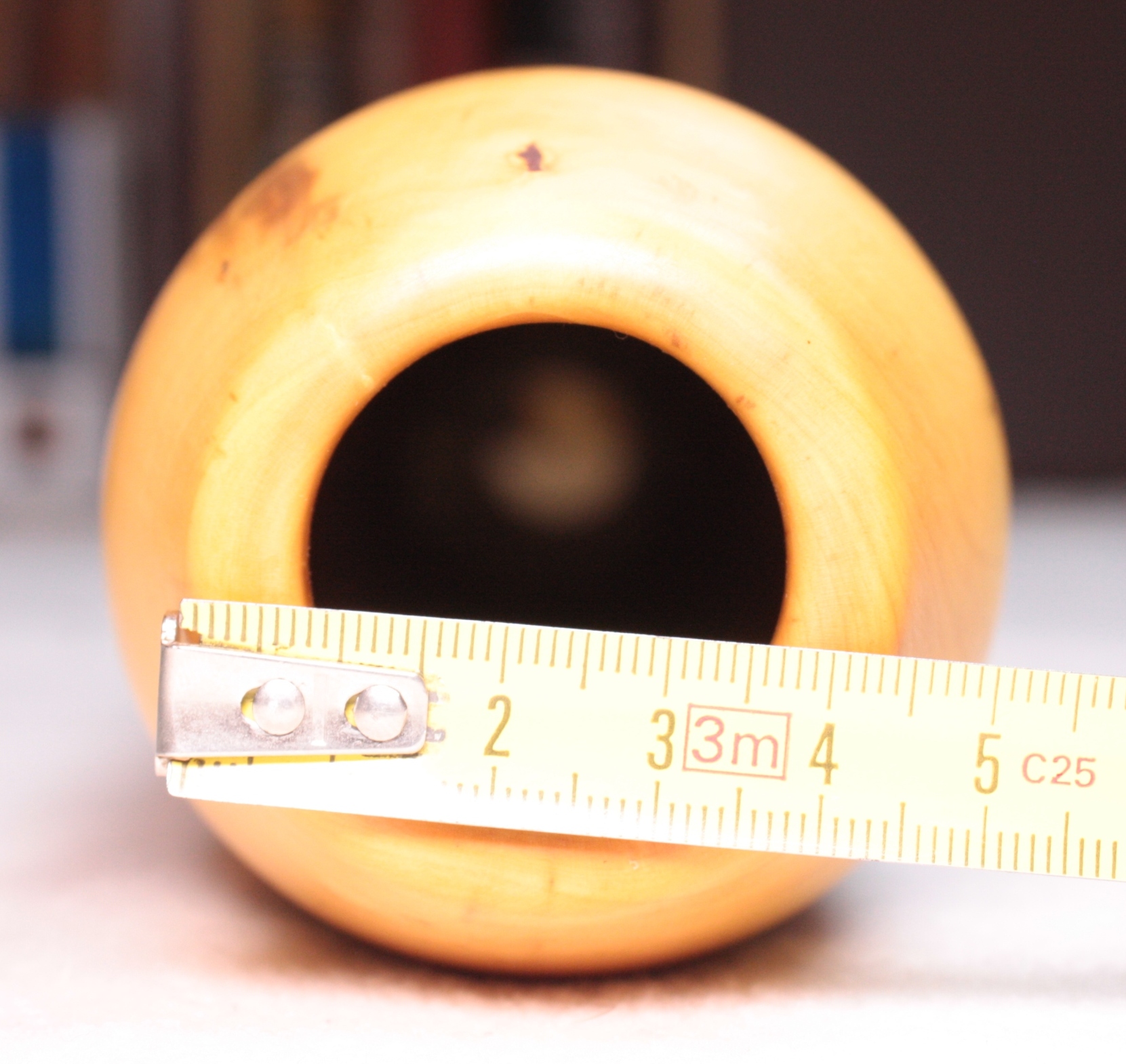
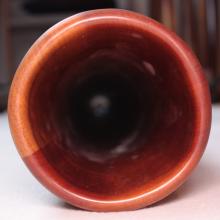
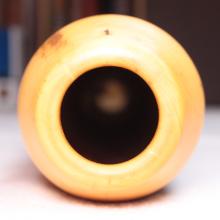
Alex's comments: Instrument with a wide air column, it releases a very beautiful resonance and magnificent harmonics. It requires good control of breathing because it can be quite greedy for air. It is an instrument that goes beyond the usual standards, and which deserves a place of choice for any collector.
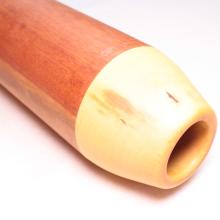
My comments: Alex classified this didg in the high-end category, signature: concert. This instrument has an open column, hence a fairly high demand for air. Once this is over, the didg is ultra-rich in harmonics and has an extra roundness of sound. Far from high-volume didgs, the goal of this didg is the precision and accuracy of the harmonics. If you are looking for a didg to sound, with a round, rich, and harmonious sound, this is the one!
- Silver Class: Superior Instruments
- Instrument guaranteed for 3 years by Alex
- Shipping costs are free! (only for France)
- Free carrying case !
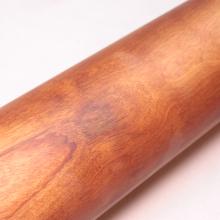
Silver Instrument: In this class, sandwich instruments usually have a complicated internal shape, and are usually made of a hard and aesthetic wood. They have excellent playability and are free from defects.
Classification
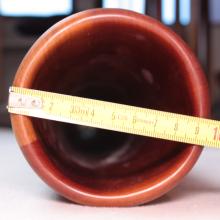
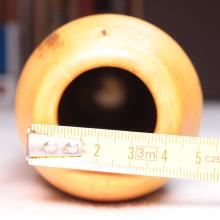
This scale is the result of an air column/bell start ratio If we divide the diameter of the bell with that of the beginning of the air column we get a number between 1.5 and 3.5. We can classify all the didgeridoos in 4 large families. Each family groups the instruments with a similar character, simply based on the overall shape of the air column (conical/cylindrical) and on the diameter of the column (wide/narrow). The result is a simple and very reliable reading grid, making it easier to search and purchase on line.
The diameters are measured with a caliper, start of the air column after the mouthpîece. This ratio is very reliable for a didg having a air column with a 'smooth' internal work, in the case of a hollowed eucalyptus instrument it give an approach of the instrumental character.
Alex Didgeridoo
French manufacturer of didgeridoos using the Sandidg method
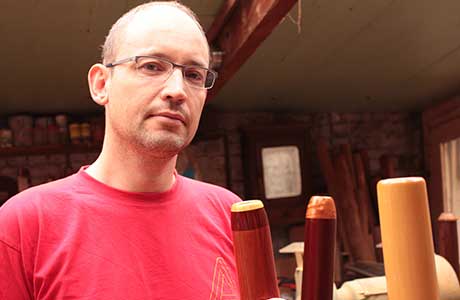
Alex, who is he?
"My passion for making didgeridoos came to me quite naturally in 1994, when I first discovered the instrument. I then made maple instruments in the family woodworking workshop. But it wasn't until many years later, during my first trip to Australia, that I became interested in making didgeridoos from termite-hollowed Australian eucalyptus. Since then, I have worked with multiple types of wood and developed various manufacturing techniques. Always remaining curious about new woods, new protective materials, and new instruments, I am constantly enriching my skills and expanding my range of instruments."
How does Alex make his didgeridoo?
"The technique I use involves making the instrument in two parts, then gluing these parts together. The main distinguishing feature of the 'sandwich' didgeridoos I make lies primarily in the choice of wood; I don't choose a branch as a starting point, as many do, but I buy freshly cut or planed wood, perfectly dry, carefully selected, and of high quality, which I then completely carve inside and out. This method allows me to create any shape; my only constraint is the dimensions of the original piece of wood." Alex